
Peyote: The Complete Guide to Growing and Caring for This Sacred Cactus
Introduction to Peyote
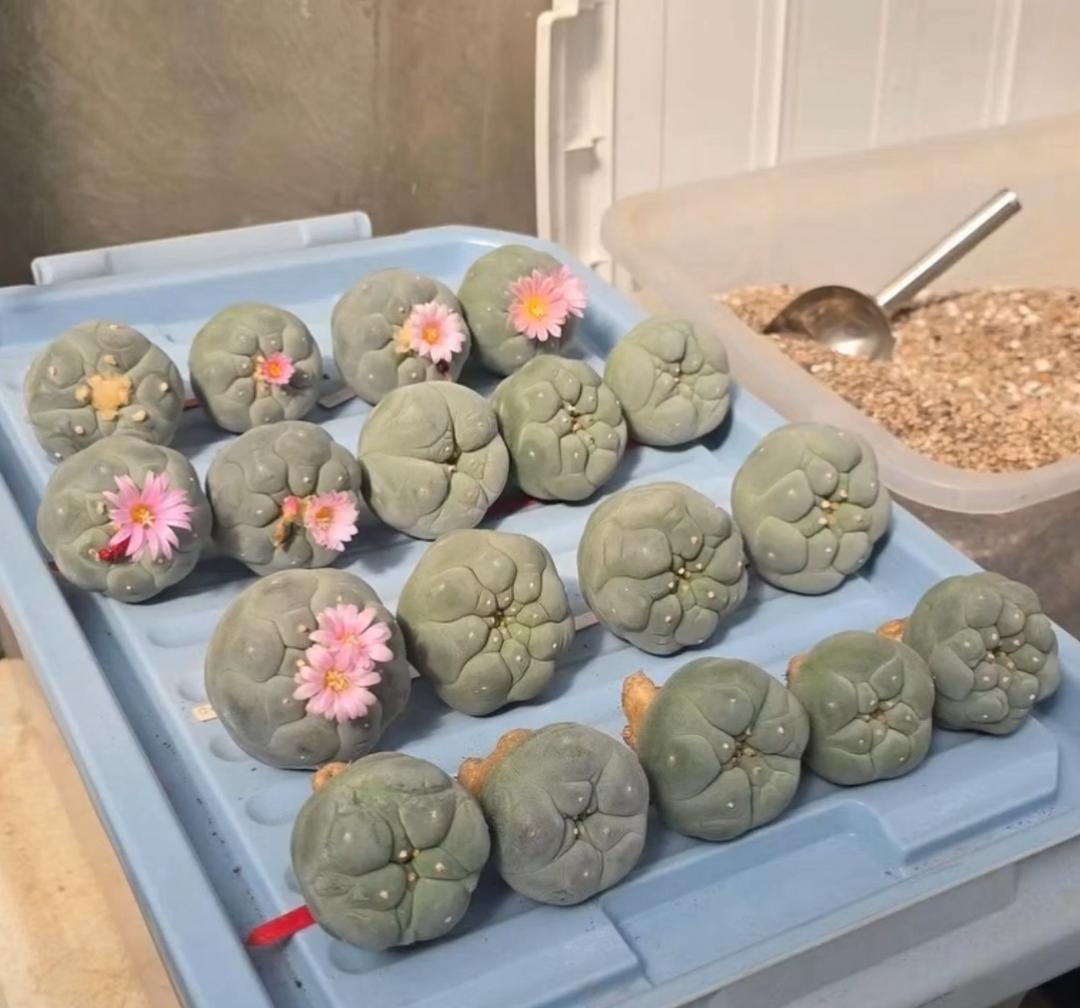
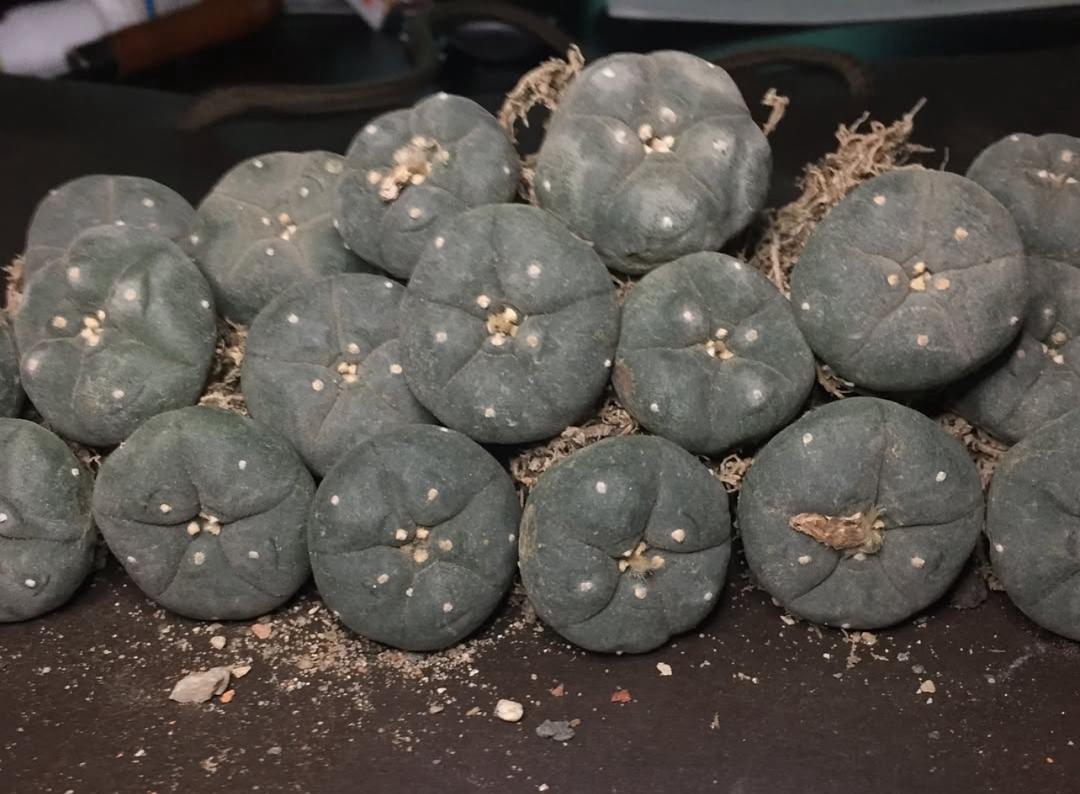
Peyote Cactus (Lophophora williamsii) is a small, spineless cactus native to the southwestern United States and northern Mexico, particularly the Chihuahuan Desert region. This greenish-blue cactus features 5 to 13 ribs and fuzzy hairs, occasionally producing pink flowers which become club-shaped, edible pink berries. For over 5,500 years, Indigenous peoples of the Americas have used peyote for ceremonial, spiritual, and folk medicine purposes, making it one of the most historically significant plants in North American culture.
The key ingredient to growing peyote is patience, as peyote Cactus grows slower than most cacti. These remarkable desert dwellers typically take 10-15 years to reach maturity in their natural habitat. Despite its slow growth, peyote has become increasingly popular among cactus enthusiasts and collectors who appreciate its unique appearance and cultural significance.
IMPORTANT LEGAL NOTICE: Before proceeding with any information about peyote cultivation, readers must understand the legal restrictions surrounding this plant. This article is provided for educational purposes only.
Legal Considerations and Restrictions
Federal and State Laws
Peyote Cactus is classified as a Schedule I controlled substance under the Controlled Substances Act due to its mescaline content, making its use, possession, and distribution illegal for most people in the United States. Federal law protects the use, possession, or transportation of peyote Cactus by Native Americans for bona fide traditional ceremonial purposes in connection with the practice of traditional Indian religion.
In California, Health & Safety Code 11363 makes it illegal to cultivate peyote or other mescaline-containing cacti, which means to plant, harvest, dry, or process it, and violating this law is a wobbler that can be filed as a misdemeanor or felony crime. Most states follow similar restrictions, though some states like Arizona, Colorado, Nevada, New Mexico, and Oregon extend exemptions to any bona fide religious use of peyote, including non-tribal use.
In Canada, mescaline is listed as a Schedule III controlled substance, but peyote is specifically exempt, making possession and use of peyote plants legal. This makes Canada one of the few places where peyote cultivation is legally accessible to the general public.
Religious Exemptions
A necessary exemption exists for religious use, specifically for members of the Native American Church. To buy peyote legally in Texas (the only state where selling is permitted), church members must prove their ancestry with a Certificate of Indian Blood, showing at least one-fourth American Indian heritage.
In Arizona, Colorado, Minnesota, Nevada, New Mexico, Oregon and Utah, the bona fide religious use of peyote is exempted, regardless of race, and in these seven states, cultivation of peyote is protected by the First Amendment.
This article focuses on botanical information and cultivation techniques for educational purposes and for those in jurisdictions where cultivation is legal.
Understanding Peyote Cactus Biology
Physical Characteristics
Peyote Cactus is a squat bulbous species growing no taller than seven centimeters, with flattened spherical buttons divided by prominent ribs that can grow to fifteen centimeters in diameter. They do not have spines typical of cactus, but small slightly raised areolae that sprout a tuft of white fuzz.
The plant often has tubercles, which give the ribs a spiral appearance. When left to grow undisturbed, the buttons can form large coral-like clumps, creating impressive specimens over many years.
Growth Stages and Timeline
The peyote Cactus growing process is divided into germination (0-1 month), where seeds need warmth and high humidity, sandy soil that drains well, and cool lights. During the seedling stage (1-12 months), after sprouting, peyote Cactus seedlings form into small, rounded, bright green balls, and after 9-12 months, they can measure 2 cm in diameter and will start taking on their characteristic blue-green color and bump-like shape.
Under proper conditions, peyote Cactus usually flowers around the two to three year mark, though this timeline can vary significantly based on growing conditions. Cultivated specimens grow considerably faster than wild plants, sometimes taking less than three years to go from seedling to mature flowering adult.
Flowering and Reproduction
Peyote Cactus flowers sporadically, with a white or pink flower emerging rapidly, turning from a small imperfection in the skin to a pod and then flower in a matter of days. When fertilized, the flower closes then dries and in time is replaced with an elongated pink fruit containing flat black seeds ready to become new peyote cacti.
Essential Growing Requirements
Light Requirements
Peyote Cactus loves as much full sunlight as it can get to simulate its home in the rarefied elevated air of the Chihuahuan desert. Provide the cactus with bright, indirect sunlight, with a south-facing window or a spot outdoors with partial shade generally suitable, avoiding intense direct sunlight as it can cause sunburn.
Peyote loves being close to bright, sunny windows, and should be placed less than 1 foot from a south-facing window to maximize the potential for growth. Young seedlings should be gradually exposed to full sunlight to prevent shock and burning.
Temperature Requirements
Peyote Cactus prefers temperatures between 70°F and 90°F (21°C to 32°C) during the growing season and can tolerate lower temperatures down to freezing briefly, but extended exposure to cold temperatures can harm the plant. Peyote is native to hot, arid regions, so cultivating peyote in a temperate climate may further slow growth.
During winter dormancy, cooler temperatures are acceptable and even beneficial, as this mimics the plant’s natural cycle. However, protection from frost is essential to prevent damage or death.
Soil Composition
Peyote Cactus requires well-draining soil, with a mix consisting of approximately 50% mineral-based soil and 50% coarse sand or perlite replicating the arid conditions peyote prefers. The optimal soil mixture consists of 70% mineral (including 10% limestone) to 30% organic material, providing ideal drainage while maintaining essential nutrient availability.
A good alternative is mixing 3 parts nutrient-free potting soil (like Pro-Mix HP) with 1 part coarse sand and 1 part sifted limestone screenings or pea gravel, with limestone preferred as this mimics the limestone-rich environments peyote prefers. Grow them in a half and half mix of coconut husk and pumice for a simpler alternative.
Watering Guidelines
During spring and summer, water your plants only when their soil is bone dry. Watering is really important for peyote, and the most common mistake is to overwater them, so less is more. Wait until your soil is totally dry before you give them water, and the best way to check is to put a toothpick inside—if the stick is not humid when you put it out of the soil, then you can water your cactus.
Peyote Cactus needs 0.5 cups of water every 12 days when it doesn’t get direct sunlight and is potted in a 5-inch pot. During winter dormancy, reduce watering significantly or stop entirely, as the plant requires minimal moisture during this resting period.
Humidity Considerations
Unlike many tropical cacti, peyote thrives in relatively low humidity environments that mimic its native desert habitat. Excessive humidity can promote fungal growth and rot, particularly in seedlings. Adequate air circulation helps prevent moisture-related problems while maintaining the dry conditions peyote Cactus prefers.
Germinating Peyote from Seed
Seed Preparation
To germinate peyote seeds, soak them in warm water for a few hours or overnight before planting, as this helps soften the seed coat and enhance germination rates. While you might have learned to germinate seeds from other plants using a moist paper towel or water, it’s recommended to germinate peyote seeds directly in their soil.
Planting Process
Sow the seeds on top of the soil mixture and gently press them into the surface without burying them, as peyote Cactus seeds are tiny, so take care not to cover them too deeply. The seeds need light to germinate properly, so surface sowing with just slight pressing into the substrate works best.
Maintain warm temperatures between 75-85°F and high humidity (70-90%) during germination. Cover containers with clear plastic or glass to create a mini-greenhouse effect, but remove coverings briefly each day to allow air exchange and prevent mold growth.
Seedling Care
Young peyote Cactus plants are very sensitive; all they need during their first year of growth is water and high-quality cactus soil, and they should not be fed to avoid damaging their young roots and stunting their already slow growth. Peyote shouldn’t be transplanted or otherwise disturbed during its first year of growth, with the only exception being if you spot signs of mold in your grow medium.
Don’t worry if your peyote seedlings are still very small after their first year of growth—it’s very common for year-old peyotes to measure around 1 cm in diameter. Patience is absolutely essential during these early stages.
Long-Term Care and Maintenance
Fertilization
Peyote Cactus generally does not require frequent fertilization, but if desired, apply a diluted, balanced cactus fertilizer during the growing season, following the manufacturer’s instructions, and avoid fertilizing during the dormant period. Good cactus nutrition is always low in nitrogen and high in potassium and phosphorus, with a good NPK value for adult peyote cactus being 4-7-7 or even 2-7-7.
Over-fertilization can cause rapid, unnatural growth that weakens the plant’s structure and can lead to splitting. Conservative feeding produces healthier, more resilient specimens.
Seasonal Care Adjustments
The best time to water peyote cactus is in spring, and you can keep watering them until autumn. During fall and winter, significantly reduce or eliminate watering as the plant enters dormancy. This rest period is natural and essential for long-term health.
Gradually expose young plants to full sunlight; mature plants can be left in full sun all season during spring and summer. Protect from excessive heat above 95°F, which can stress even mature specimens.
Container Selection and Repotting
When potting your cactus, it is best to use an unglazed terracotta pot, as these types of pots are porous and allow water to evaporate from the soil quicker. It is also important to choose a pot with drainage holes in the bottom to prevent water from pooling and rotting the roots.
Use a deep enough pot to allow plenty of room for the roots to grow—if root growth is obstructed, the cactus will become root bound and its growth will be stunted. Replenish nutrients by repotting your peyote after it doubles in size or once a year, whichever comes first.
During repotting, if you see any signs of rotting (black or mushy roots with a foul smell), trim them using sterilized scissors. Let your peyote rest in dry soil and shade for 4-7 days to recuperate from being transplanted, then lightly water after approximately 7 days and slowly reintroduce to direct light.
Advanced Growing Techniques
Grafting for Accelerated Growth
More rapid growth can be achieved by grafting peyote onto mature San Pedro root stock. This technique can reduce the time to maturity from 10-15 years to just 2-3 years. Grafted specimens grow much larger than naturally rooted plants and produce flowers more readily.
The process involves cutting the top (scion) from a peyote plant and attaching it to the cut top of a fast-growing rootstock like Trichocereus pachanoi (San Pedro). The vascular cambium layers must align for successful grafting. Secure with rubber bands or grafting clips until the union heals, typically 2-3 weeks. peyote Cactus
Growth Enhancement Methods
Advanced growers often employ Gibberellic acid (GA3), a natural plant hormone that promotes cell elongation and growth, though careful application is crucial as excessive use can cause splitting and damage to the plant’s tissue. This technique should only be attempted by experienced growers who understand proper dilution ratios and application methods.
Creating optimal growing conditions with consistent temperatures, adequate lighting, and proper nutrition naturally accelerates growth without risky interventions. Bottom heating can encourage stronger root development, particularly important during germination and early growth stages. peyote Cactus
Common Problems and Solutions
Overwatering Issues
Overwatering is a likely cause of issues with peyote Cactus , as these plants are very sensitive to wet soil, so if you notice your plant becoming squishy or translucent, overwatering is the likely culprit. Cut your plant just past where the rot ends and allow it to callus over for a few days before replanting it in fresh, dry soil.
Prevention is always easier than treatment. Ensure containers have adequate drainage, use appropriate soil mixtures, and water only when soil is completely dry. During humid weather or winter dormancy, reduce watering frequency even further.
Pest Management
Monitor the cactus for common pests such as mealybugs or scale insects, and if an infestation occurs, treat it promptly using appropriate insecticides or natural remedies. Mealybugs appear as white, cottony masses in crevices, while scale insects look like small brown bumps on the surface. peyote Cactus
Remove pests mechanically with cotton swabs dipped in rubbing alcohol for light infestations. For severe problems, use insecticidal soap or neem oil following label directions. Quarantine new plants before adding them to collections to prevent pest spread.
Lighting Problems
Excessive light exposure can cause yellowing and stunted growth, so plants receiving too much direct sunlight should be moved to a location with filtered light to prevent further damage. Conversely, insufficient light causes etiolation (stretching) and pale coloration.
Finding the right balance requires observation and adjustment based on your specific growing environment. Monitor plants regularly for signs of stress and adjust placement accordingly.
Conservation and Ethical Considerations
The plant is considered endangered due to over-harvesting and land development. Currently in South Texas, peyote grows naturally but has been over-harvested, to the point that the state has listed it as an endangered species. Cultivation is an important conservation tool for this particular species. peyote Cactus
When harvesting is done properly, the top of the root forms a callus and the root does not rot, but when poor harvesting techniques are used, the entire plant dies. The spherical buttons or crowns are harvested by cleanly cutting the sphere at the base where it meets the root body, allowing the root to regenerate new crowns.
For those in jurisdictions where legal cultivation is permitted, growing peyote represents an important conservation effort that can help reduce pressure on wild populations while preserving this culturally and ecologically significant species for future generations. peyote Cactus
Conclusion
Peyote Cactus cultivation represents a unique challenge in the world of cactus growing, requiring exceptional patience, attention to legal requirements, and dedication to proper care. Growing peyote cactus requires commitment, knowledge, and adherence to legal and ethical considerations. The extremely slow growth rate makes every stage of development precious and worth celebrating. peyote Cactus
For those in regions where cultivation is legal, successfully growing peyote provides the satisfaction of preserving an endangered species while appreciating one of nature’s most remarkable plants. Whether you’re motivated by botanical interest, conservation concerns, or cultural appreciation, understanding proper care requirements is essential for success.
By providing appropriate soil composition, careful watering, adequate light, and patient care over many years, cultivators can enjoy watching these fascinating cacti slowly develop into mature specimens. Remember that rushed growth through excessive fertilization or inappropriate techniques often results in weak, unhealthy plants. Embrace the slow pace as part of the experience, and your peyote will reward your patience with healthy, beautiful growth. peyote Cactus


Reviews
There are no reviews yet.