
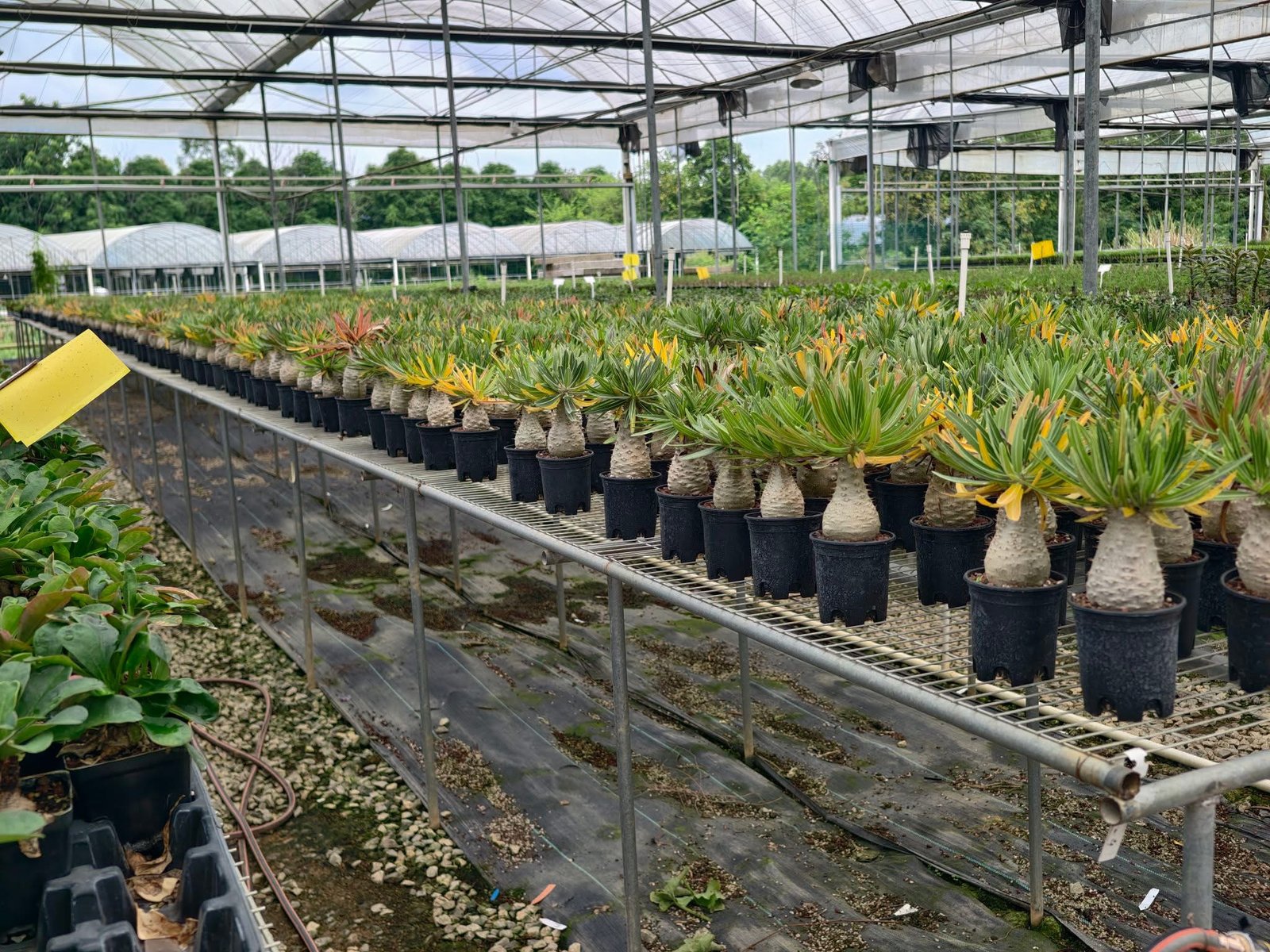
pachypodium rosuatum var.gracilius from seed
Pachypodium Gracilius (Elephant’s Foot Plant): Complete Care Guide
Meta description: Learn how to grow and care for Pachypodium rosulatum var. gracilius, the striking “elephant’s foot” succulent from Madagascar. Watering, light, soil, and propagation tips.
What Is Pachypodium Gracilius?
Pachypodium rosulatum var. gracilius, commonly known as elephant’s foot plant or gracilius pachypodium, is a rare caudiciform succulent native to Madagascar. Prized by collectors for its swollen, grey-brown caudex (a bulbous water-storing base) and cheerful yellow spring blooms, this slow-growing succulent has become a favorite for bonsai-style container gardening and drought-tolerant landscaping.
Key Features of Pachypodium Gracilius
- Swollen caudex: A rounded, disc-shaped base that stores water and gives the plant its sculptural, “elephant foot” appearance
- Spiny branches: Thin, thorny stems topped with small glossy green leaves
- Yellow flowers: Five-petaled blooms, often with a red throat, appearing in spring and summer
- Compact growth: Slower and more rounded than the standard Pachypodium rosulatum species
How to Care for Pachypodium Gracilius
Light requirements
Elephant’s foot plants need full sun to thrive. Place them in the brightest spot available — a south-facing window indoors or full outdoor sun in warm climates.
Watering schedule
This drought-tolerant succulent prefers a “soak and dry” watering method. Allow soil to dry out completely between waterings. During winter dormancy, reduce watering significantly to prevent caudex rot.
Best soil for Pachypodium
Use a fast-draining cactus or succulent soil mix. Adding pumice or coarse sand improves drainage and prevents root rot — the single biggest risk for this species.
Temperature and hardiness
Not frost-tolerant. Keep above 50°F (10°C). Gardeners in temperate zones typically grow Pachypodium gracilius as a potted specimen, bringing it indoors for winter.
Dormancy period
Leaf drop in winter is normal dormancy behavior, not a sign of plant stress. New growth resumes in spring with warmer temperatures and increased light.
Common Pachypodium Gracilius Problems
| Issue | Likely Cause | Solution |
|---|---|---|
| Caudex soft/mushy | Overwatering / rot | Reduce watering, improve drainage |
| No flowers | Insufficient light | Move to brighter location |
| Leaf drop (summer) | Underwatering or stress | Check root health, adjust watering |
| Leggy growth | Low light | Increase sun exposure |
Is Pachypodium Gracilius Toxic?
Yes — like other pachypodium species, the sap is toxic and can irritate skin. Keep away from pets and children, and wear gloves when repotting or pruning.
Where to Buy Pachypodium Gracilius
Seed-grown specimens are generally hardier and more sustainable than wild-collected imports. Reputable succulent nurseries and specialty online retailers are the best sources — look for sellers who disclose whether plants are seed-grown or grafted.

Reviews
There are no reviews yet.