
Anthurium Dark Phoenix: The Ultimate Guide to This Stunning Velvet Aroid
Introduction to Anthurium Dark Phoenix
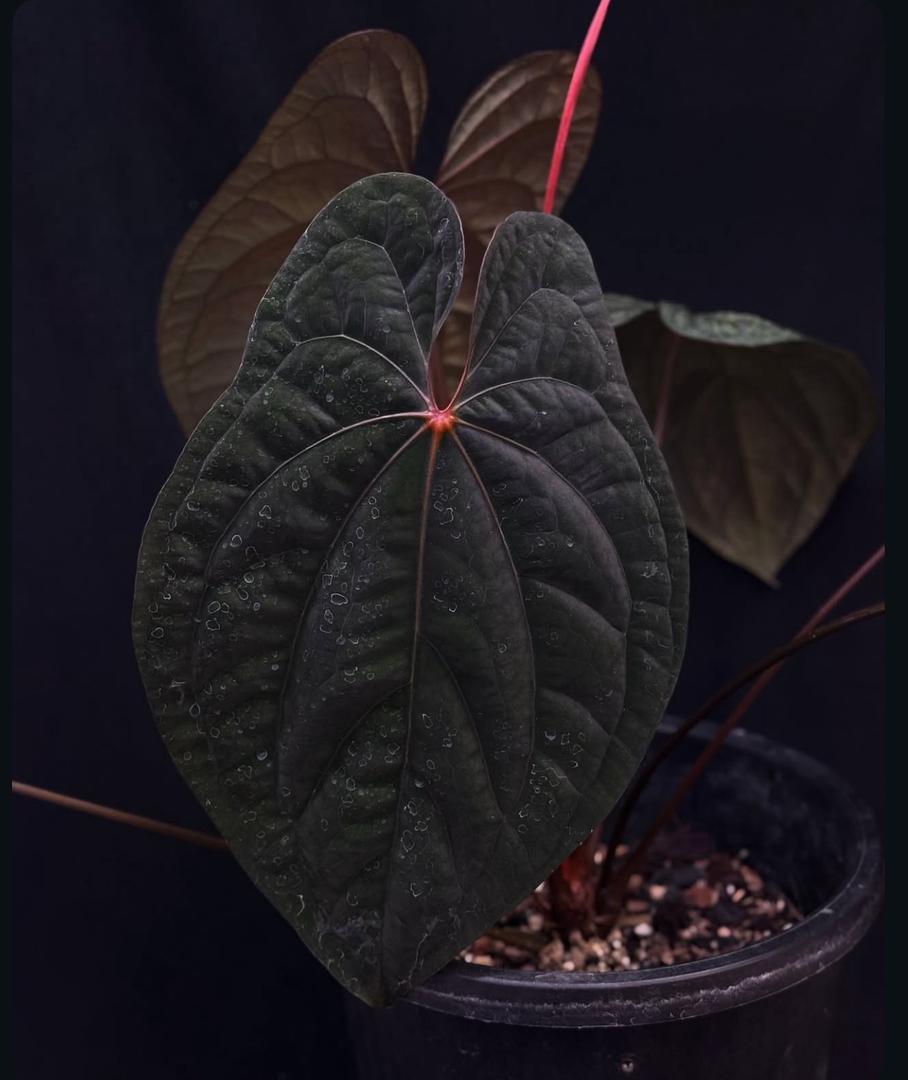
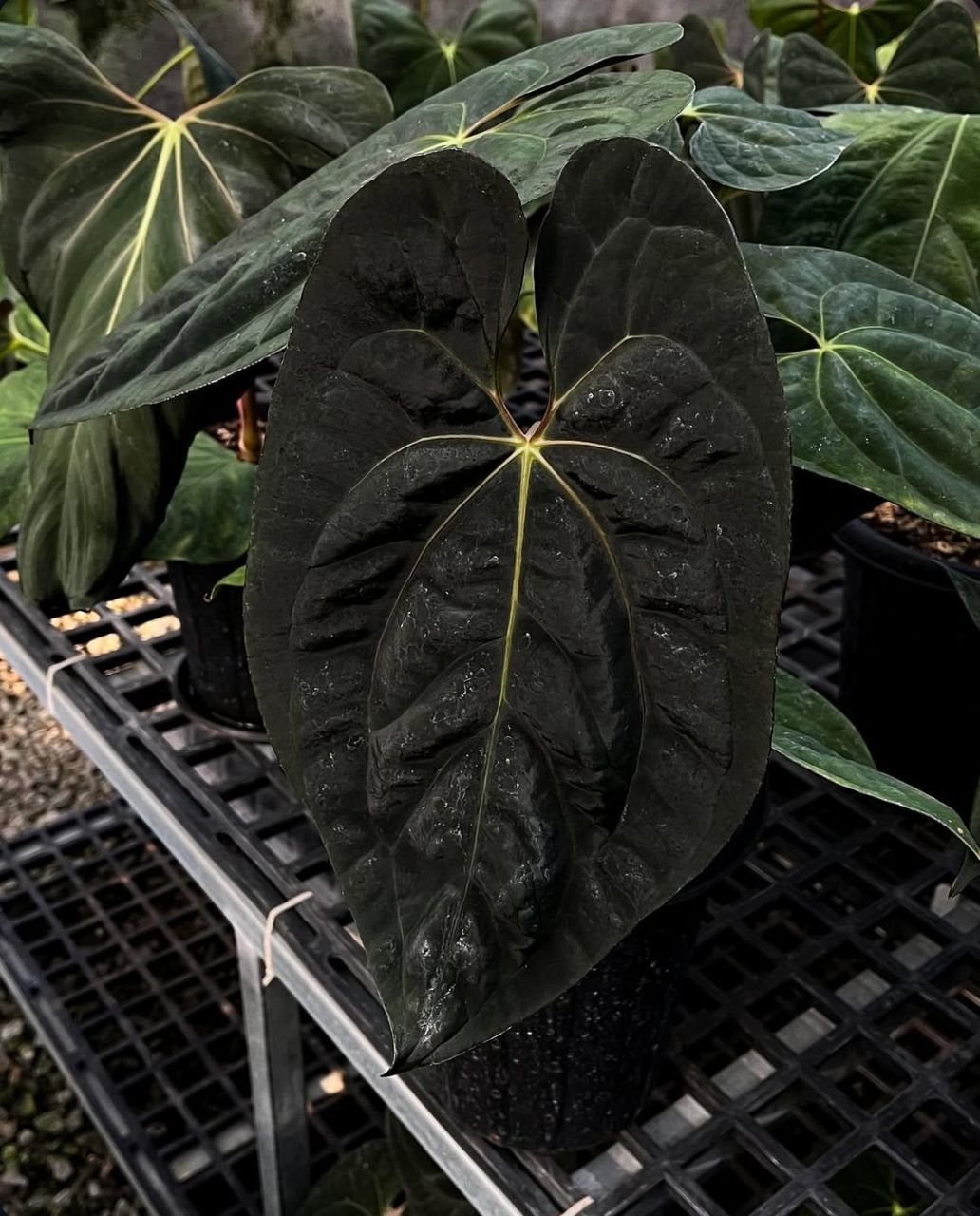
The Anthurium Dark Phoenix stands as one of the most captivating and sought-after plants in the aroid collecting world. This bold and mysterious rare plant is revered for its deep, dark foliage, rich velvety texture, and intense silver veining. With its dramatic almost-black leaves contrasting against striking white or silver veins, this exotic beauty has become a must-have for serious plant collectors and aroid enthusiasts.
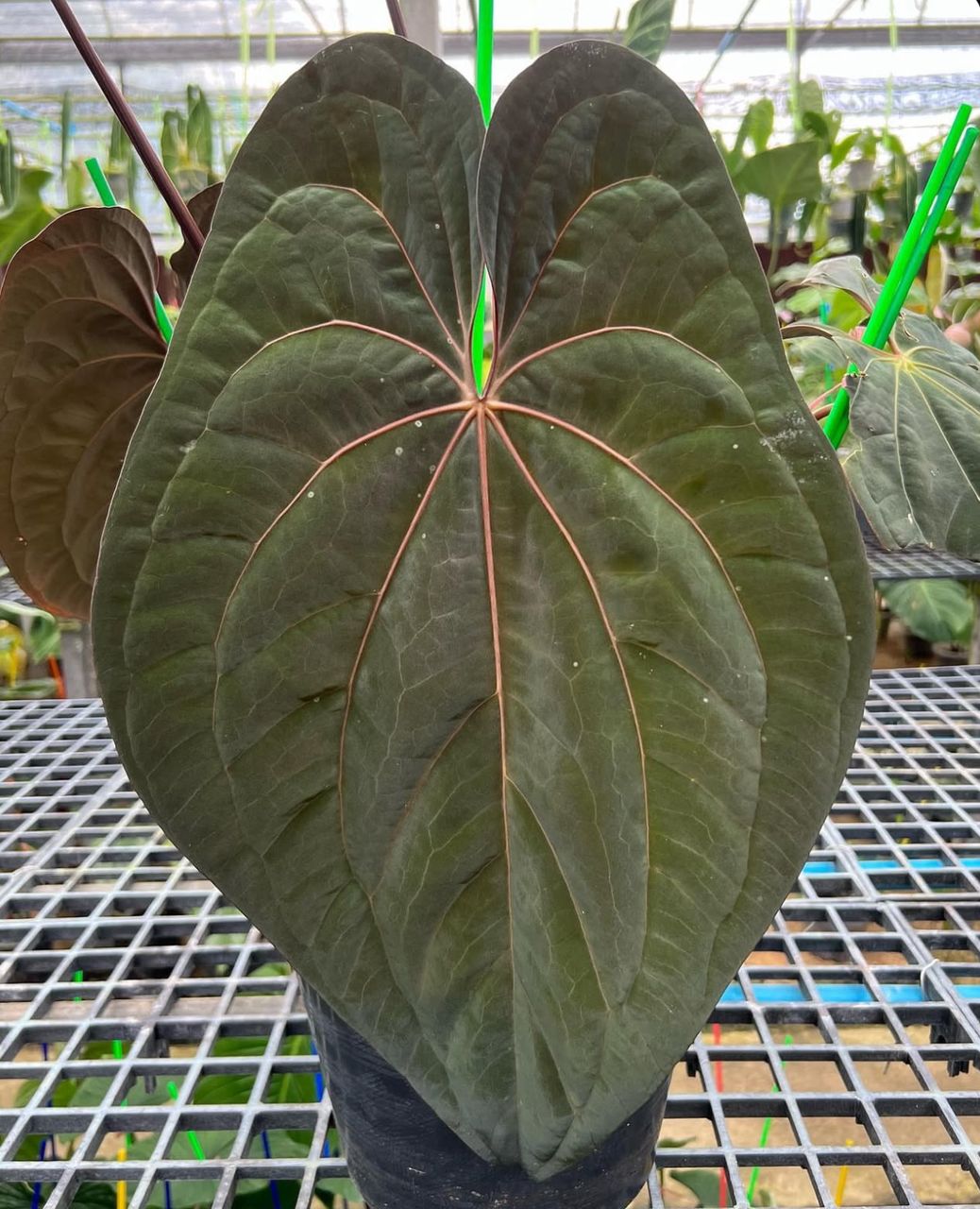
Most likely a cultivar of Anthurium papillilaminum, this plant features new foliage that unfurls in deep burgundy, gradually darkening to a rich black-green with a soft, matte texture. The Dark Phoenix’s gothic aesthetic and sculptural growth habit make it a statement piece that commands attention in any plant collection, combining mystery, elegance, and botanical sophistication.
What Makes Anthurium Dark Phoenix Special?
Striking Velvet Texture and Dark Coloration
The plant features deep, dark green to almost black leaves that create a bold contrast with the white or silver veins running throughout the foliage, with a velvety texture that adds a tactile element. This luxurious velvet surface distinguishes Dark Phoenix from glossy-leaved Anthurium varieties, creating a matte finish that absorbs light rather than reflecting it, enhancing the mysterious, moody appearance.
Each leaf displays intricate veining patterns that shimmer against the dark background, creating a dramatic visual effect reminiscent of lightning across a night sky. The velvety leaves feel soft to the touch, adding a sensory dimension to the visual appeal.
Compact Growth Habit
Unlike sprawling Anthurium varieties, Dark Phoenix has an upright, self-heading habit with a short stem and persistent root crown, making it ideal for display on shelves, in glass cabinets, or as part of a curated plant collection. The compact nature means it won’t overwhelm smaller spaces while still delivering maximum visual impact.
Rarity and Collectibility
The Anthurium Dark Phoenix represents a premium addition to any rare plant collection. Its unique appearance and limited availability have made it highly desirable among collectors who appreciate plants with dramatic flair and mysterious aesthetics. Prices typically range from $170 for established plants to over $200 for special variants like the mint variegated version, reflecting its coveted status in the plant community.
Varieties and Hybrids
Standard Dark Phoenix
The original Dark Phoenix features dark foliage with silver or white veination, creating classic high-contrast appeal. This stable, clonal selection delivers consistent form, color depth, and long-term visual impact.
Red Vein Dark Phoenix (RVDP)
The Red Vein Dark Phoenix is a super rare hybrid crossing Anthurium Papillilaminum and Anthurium Ace of Spades, known for its outstanding and attractive red veins on the leaves, with new growth leaves displaying dark red color. This variant was created by renowned Thai breeder Jeera Jugmongkol and represents one of the most dramatic Anthurium hybrids available.
Mint Variegated Dark Phoenix
The mint variegated version adds another layer of rarity, featuring dark foliage splashed with mint-green variegation. This uncommon mutation is even more sought-after by collectors than the standard variety, commanding premium prices starting around $217 USD.
Dark Phoenix Hybrids
Various crosses incorporate Dark Phoenix genetics, including combinations with Magnificum, Dressleri, and Papillilaminum. These hybrids inherit the dark coloration and velvety texture while introducing variations in leaf shape, size, and veining patterns.
Essential Care Requirements
Light Requirements
Bright, indirect light maintains strong veining and deep leaf color without scorching the velvet surface. Avoid direct sun as it can damage the velvet surface. Position your plant near an east-facing window where it receives gentle morning light, or use sheer curtains to filter stronger afternoon sun from south or west exposures.
The velvet leaf texture makes Dark Phoenix more sensitive to light intensity than glossy varieties. Too little light will cause the plant to lose its compact growth habit and produce smaller leaves with less dramatic veining. Conversely, excessive direct sunlight causes unsightly brown patches and permanent damage to the delicate leaf surface. Anthurium Dark Phoenix
Watering Guidelines
Keep soil lightly moist, but never soggy—velvet Anthuriums are sensitive to overwatering. Water when the top 10–15% of the soil or mineral mix dries out, avoiding extremes. The key is finding the balance between consistent moisture and proper drainage.
Check soil moisture by inserting your finger one to two inches below the surface. When it feels slightly dry, water thoroughly until excess drains from the bottom. Always empty drainage trays immediately to prevent root rot, which is the primary killer of Anthurium plants. During active growth periods in spring and summer, you may need to water more frequently, while winter months require reduced watering as growth slows. Anthurium Dark Phoenix
Soil and Potting Mix
Use a well-draining aroid mix with orchid bark, perlite, and sphagnum moss for ideal root aeration, creating a breathable substrate with coco coir and humus. The chunky, airy texture mimics the plant’s natural epiphytic growing conditions in humid tropical forests.
A recommended mix includes: 40% orchid bark for drainage and structure, 20% perlite for additional aeration, 20% coco coir or peat moss for moisture retention, 15% sphagnum moss for humidity, and 5% horticultural charcoal for odor control and mineral support. This combination ensures roots receive adequate oxygen while maintaining appropriate moisture levels. Anthurium Dark Phoenix
Temperature Requirements
Ideal temperature range is 18–27°C (65–80°F), with optimal growth between 20–26°C (68–79°F), while avoiding cold drafts and sudden temperature drops below 15°C. Consistent temperatures prevent stress that can lead to slowed growth or leaf damage.
Keep your Dark Phoenix away from air conditioning vents, heating ducts, and drafty windows. Sudden temperature fluctuations shock the plant and can cause leaf yellowing or browning. During winter months, ensure the plant isn’t touching cold windowpanes, as this can damage leaves and slow growth significantly.
Humidity Requirements
High humidity of 70–90% is essential, with the exotic plant thriving in greenhouse cabinets or near humidifiers. Brown leaf tips often signal that humidity is too low. Velvet-leaved Anthuriums require higher humidity than many other houseplants to maintain their luxurious texture and prevent crispy edges.
Achieve optimal humidity through several methods: use a cool-mist humidifier positioned near the plant, place the pot on a pebble tray filled with water (ensuring the pot bottom doesn’t touch water), group multiple tropical plants together to create a microclimate, or grow in a glass cabinet or terrarium. Regular misting is less effective than these methods and can lead to fungal issues if water sits on leaves. Anthurium Dark Phoenix
Fertilization
Replenish nutrients with a gentle organic fertilizer or compost every 1-2 months depending on location and season, fertilizing more often during the growing season and in warmer and brighter climates. Use a balanced, water-soluble fertilizer diluted to half-strength during spring and summer when the plant actively produces new growth.
Choose fertilizers with micronutrients to support healthy foliage development. Apply fertilizer only to moist soil to prevent root burn. Reduce or eliminate feeding during fall and winter when growth naturally slows. Over-fertilizing causes salt buildup in the soil, leading to brown leaf edges and root damage. Anthurium Dark Phoenix
Growth Characteristics
Growth Rate
Anthurium Dark Phoenix exhibits moderate growth compared to other houseplants. Under optimal conditions with proper light, humidity, and care, you can expect new leaf emergence every few weeks during peak growing season. However, growth slows significantly during winter dormancy.
The compact, self-heading growth habit means the plant produces leaves from a central crown rather than vining or climbing extensively. This characteristic makes it perfect for display in smaller spaces where vertical growth is limited.
Leaf Development
New leaves emerge as tightly furled spears from the plant’s center, initially displaying burgundy or reddish tones. As they unfurl over several days, the leaves gradually darken to their characteristic deep green or almost black coloration. The veining becomes more prominent as leaves mature, creating increasingly dramatic contrast.
Mature leaves can reach impressive sizes depending on growing conditions, with proper care producing larger, more heavily veined specimens. The velvety texture develops fully as leaves harden off, creating the signature matte finish.
Propagation Techniques
Division Method
The most reliable propagation method for Anthurium Dark Phoenix is division during repotting. Carefully remove the plant from its pot and gently separate natural divisions where the plant has produced multiple growth points. Each division should have healthy roots and at least two to three leaves for best success rates.
Plant divisions immediately in appropriate aroid mix, water thoroughly, and maintain high humidity while roots establish. New plants may experience temporary shock, manifesting as drooping leaves, but typically recover within a few weeks.
Stem Cuttings
For plants with longer stems, you can take cuttings that include at least one node and one or two leaves. Make clean cuts using sterilized pruning shears just below a node. Root cuttings in moist sphagnum moss or perlite, maintaining warm temperatures around 75-80°F and high humidity. Anthurium Dark Phoenix
Rooting can take four to eight weeks. Once roots reach two to three inches, transplant into regular aroid mix. Cuttings are more challenging than division but allow propagation without disturbing the mother plant.
Seed Propagation
Some specialty breeders offer seeds from Dark Phoenix crosses, allowing collectors to grow unique seedlings. Seed propagation requires patience as germination takes several weeks and seedlings grow slowly. Each seedling may display variations in leaf shape, coloration, and veining patterns, offering the excitement of discovering unique phenotypes.
Common Issues and Solutions
Pest Management
Be vigilant for pests such as mealybugs or aphids, using a gentle insecticidal soap or neem oil to eliminate these pests. Spider mites also target Anthuriums, particularly in low humidity conditions. Regular inspection of leaf undersides and between leaves catches infestations early.
Prevent pests by maintaining proper humidity, ensuring good air circulation, and quarantining new plants before introducing them to your collection. If pests appear, isolate affected plants immediately and treat with horticultural oil, insecticidal soap, or systemic pesticides depending on infestation severity. Anthurium Dark Phoenix
Fungal and Bacterial Issues
Avoid overwatering and provide good air circulation to prevent fungal infections. Anthracnose, root rot, and bacterial leaf spot commonly affect Anthuriums grown in overly wet conditions or with poor air movement.
Signs of fungal problems include brown or black spots on leaves, yellowing foliage, or mushy stems. Address issues by improving drainage, reducing watering frequency, increasing air circulation, and removing affected leaves with sterile tools. Severe cases may require fungicide application.
Leaf Browning and Yellowing
Brown leaf edges typically indicate insufficient humidity or inconsistent watering practices. Increase humidity levels and establish a more regular watering schedule to prevent this common issue.
Yellowing leaves can signal several problems: overwatering leading to root rot, insufficient light causing weak growth, nutrient deficiencies from lack of fertilization, or natural aging of older leaves. Systematically evaluate care conditions to identify the cause. Remember that occasional yellowing and dropping of older lower leaves is normal as plants mature.
Environmental Stress
Temperature fluctuations, drafts, and sudden environmental changes cause stress manifesting as stunted growth, leaf curling, or loss of the velvety texture. Maintain stable conditions and protect plants from extreme environmental shifts.
Seasonal Care Adjustments
Spring and Summer Care
As temperatures warm and daylight increases, Dark Phoenix enters active growth phase. Increase watering frequency to match faster moisture consumption, resume regular fertilization every two to four weeks, and monitor for increased pest activity that accompanies warmer weather. Anthurium Dark Phoenix
This is the optimal time for propagation and repotting when plants recover quickly from disturbance. Consider moving plants to slightly brighter locations to support vigorous growth, but always avoid direct sun exposure.
Fall and Winter Care
When daylight decreases and temperatures cool, reduce watering as growth slows and soil takes longer to dry. Discontinue or significantly reduce fertilization to prevent salt buildup when plants aren’t actively growing.
Monitor humidity carefully as indoor heating systems dry the air considerably. You may need to increase humidifier use or move plants to naturally humid locations like bathrooms. Accept slower growth during this natural dormancy period and avoid stressing plants with unnecessary interventions.
Repotting Guidelines
Most potting soils come with ample nutrients which plants use to produce new growth, and by the time your plant has depleted nutrients in its soil it’s likely grown enough to need a larger pot anyway. Repot every two to three years or when roots become crowded, typically indicated by roots circling the pot bottom or emerging from drainage holes. Anthurium Dark Phoenix
Choose pots only one to two inches larger in diameter than the current container. Oversized pots hold excessive moisture that can lead to root rot. Ensure containers have adequate drainage holes and consider using terra cotta pots that allow soil to breathe and dry more evenly.
Spring is the ideal repotting time when new growth begins and plants quickly establish roots in fresh medium. Handle roots gently during repotting to minimize damage, and water thoroughly after repotting to settle soil around roots. Anthurium Dark Phoenix
Display and Styling Tips
The dramatic dark foliage and striking veination of Anthurium Dark Phoenix make it a natural focal point in any interior design scheme. Its gothic aesthetic complements modern, minimalist spaces particularly well, adding organic sculptural interest without overwhelming clean lines.
Display in decorative pots that enhance rather than compete with the foliage. Matte black, deep charcoal, or metallic containers create sophisticated presentations, while lighter-colored pots provide striking contrast that makes the dark leaves pop.
Position where the plant receives appropriate light while remaining visible from main viewing areas. The compact growth habit makes Dark Phoenix perfect for shelves, plant stands, or as part of grouped displays with complementary aroids. In glass cabinets or terrariums, the high humidity environment showcases the velvety texture at its finest while creating living art installations.
Consider lighting the plant from above or behind to highlight the dramatic veining and create depth in the dark foliage. The interplay of light and shadow enhances the mysterious beauty that makes Dark Phoenix so captivating. Anthurium Dark Phoenix
Purchasing Considerations
When acquiring an Anthurium Dark Phoenix, purchase from reputable specialized growers or established rare plant retailers who can verify the plant’s identity and parentage. Prices vary based on size, maturity, and variant, with standard Dark Phoenix typically ranging from $170-200, while special variants like Red Vein or Mint Variegated versions command premium prices.
Inspect plants carefully before purchase, looking for healthy, unblemished leaves with strong veination, well-established root systems visible through drainage holes, and no signs of pests or disease. Smaller, younger plants offer more affordable entry points but require patience as they mature, while larger specimens provide immediate impact at higher cost. Anthurium Dark Phoenix
Reviews
There are no reviews yet.