
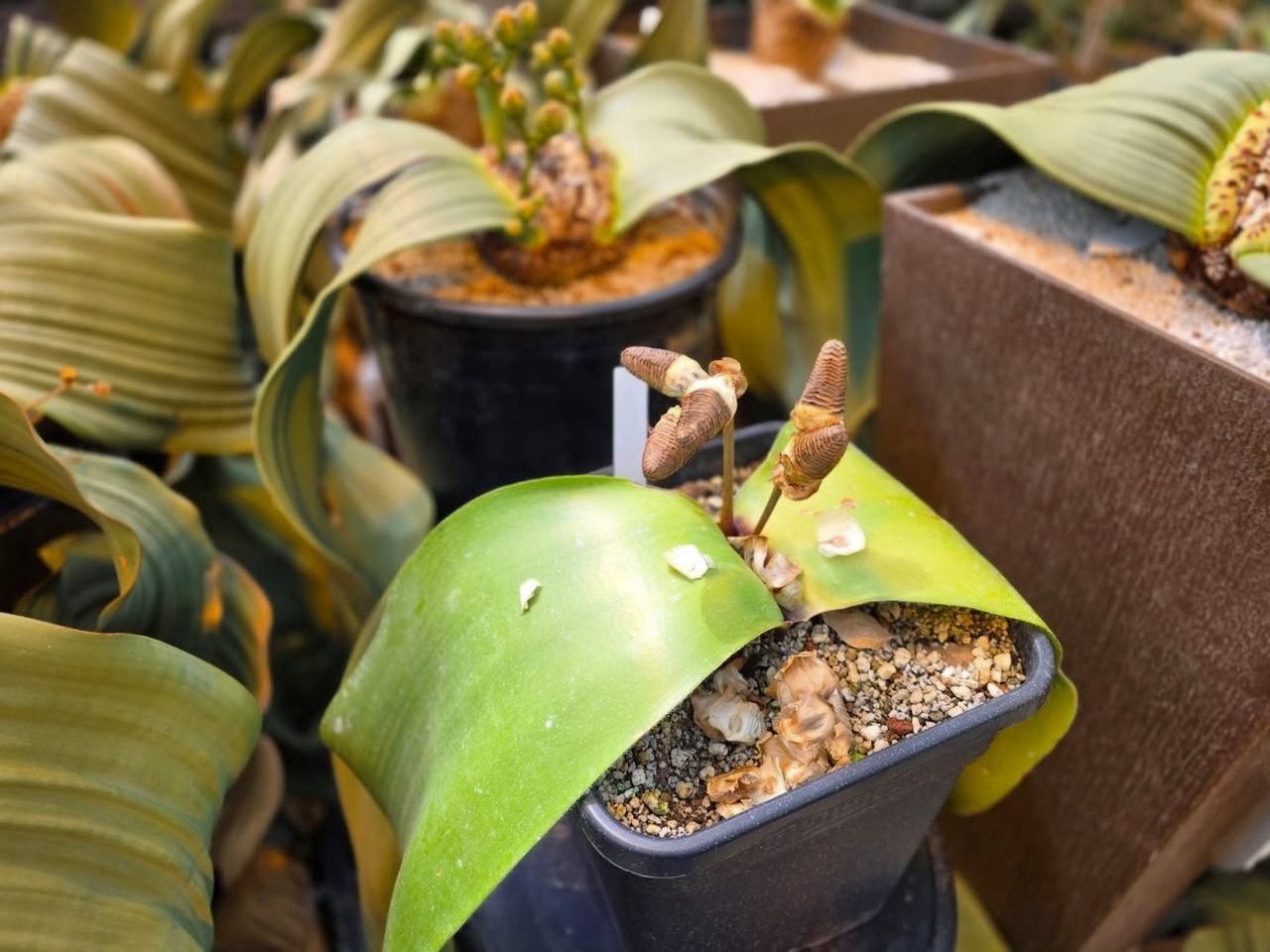
Welwitschia Mirabilis Seeds for Sale: Your Complete Growing Guide
Introduction to the Living Fossil Plant
Welwitschia mirabilis stands as one of the most extraordinary and ancient plants on Earth. This remarkable desert survivor has captivated botanists, collectors, and plant enthusiasts for centuries with its unique appearance and incredible longevity. For those seeking to add this living fossil to their collection, understanding where to find authentic Welwitschia mirabilis seeds for sale and how to successfully cultivate them is essential.
Native exclusively to the Namib Desert along the coastal regions of Namibia and Angola, Welwitschia mirabilis represents a botanical marvel that has survived virtually unchanged for millions of years. Some specimens are estimated to be over 2,000 years old, making them among the longest-living organisms on the planet.
Understanding Welwitschia Mirabilis
What Makes This Plant Unique?
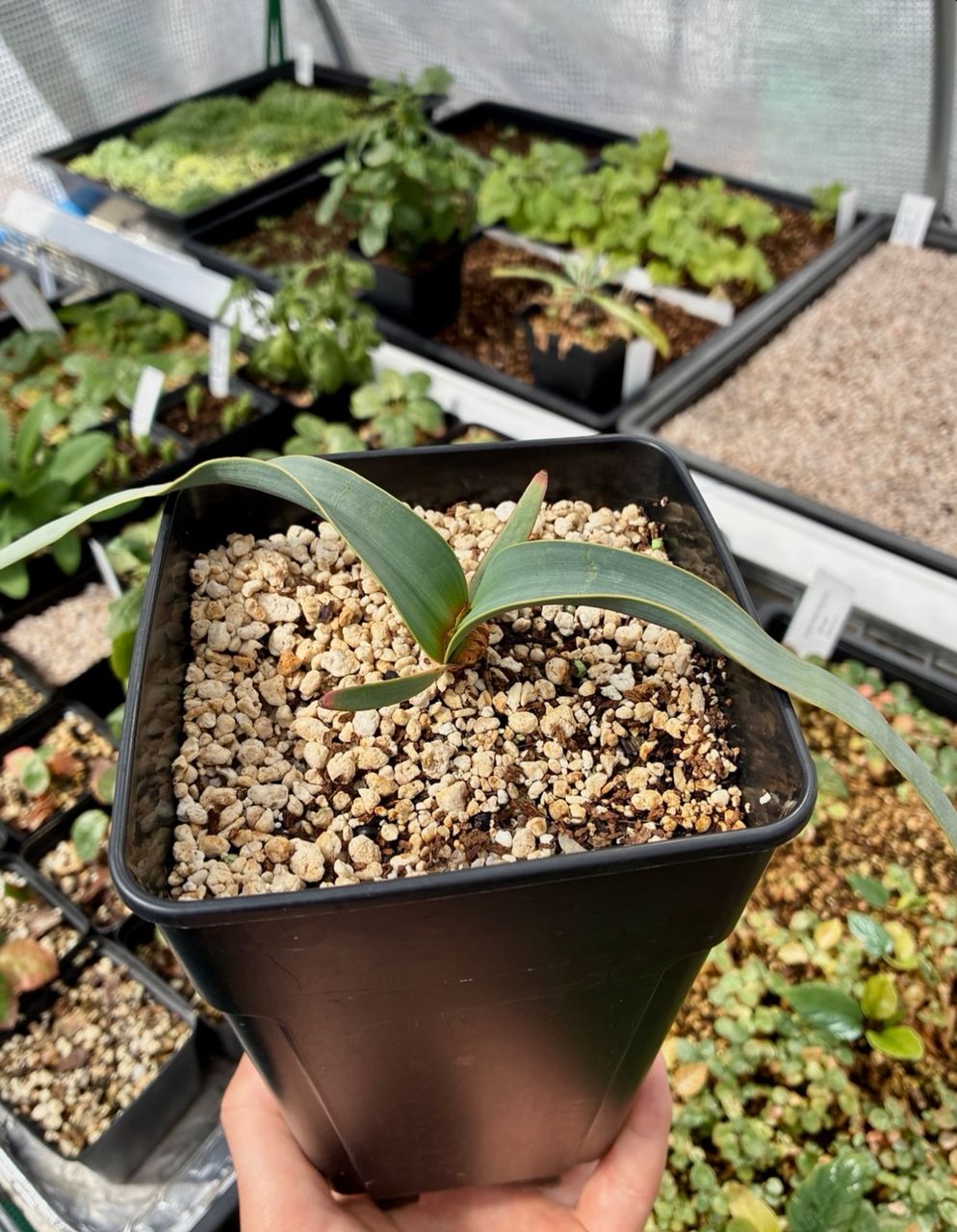
Welwitschia mirabilis belongs to the Gnetophyte family and is the only species in its genus. Despite its unusual appearance, the plant produces only two leaves throughout its entire lifetime—these same leaves continue growing from the base while the tips gradually wear away from desert winds and harsh conditions.
The plant’s structure consists of a woody stem that becomes increasingly gnarled and cork-like with age, rarely rising more than a foot above ground. The two permanent leaves can grow several meters long, becoming tattered and ribbon-like as they age, creating the impression of many leaves when in fact there are only two.
Natural Habitat and Adaptations
In its native Namib Desert environment, Welwitschia mirabilis has evolved extraordinary adaptations to survive in one of the world’s driest regions. The plant obtains moisture primarily from coastal fog that rolls inland from the Atlantic Ocean. Its extensive root system can reach depths of up to 3 meters, accessing underground water sources.
The leaves contain specialized stomata that open during cooler nighttime hours to minimize water loss while still allowing gas exchange. This remarkable adaptation enables the plant to photosynthesize efficiently while conserving precious moisture in an environment where annual rainfall rarely exceeds 100 millimeters.
Why Collectors Seek Welwitschia Seeds
Rarity and Prestige
Owning a Welwitschia mirabilis represents a significant achievement for plant collectors. The species’ rarity in cultivation, combined with its prehistoric lineage and unique growth characteristics, makes it a prized addition to any serious botanical collection. Successfully growing this plant from seed demonstrates dedication and horticultural skill.
Scientific and Educational Value
Beyond aesthetic appeal, Welwitschia mirabilis offers tremendous scientific and educational value. Researchers continue studying the plant to understand its longevity, drought resistance mechanisms, and evolutionary history. Home growers contribute to conservation efforts by maintaining genetic diversity outside the plant’s limited natural range.
Long-Term Investment
While Welwitschia grows slowly, particularly in its early years, cultivating this plant represents a long-term investment that can be passed down through generations. A well-maintained specimen can outlive its original grower, becoming a living legacy and family heirloom.
Finding Authentic Welwitschia Mirabilis Seeds
Reputable Sources
When searching for Welwitschia mirabilis seeds for sale, sourcing from reputable suppliers is crucial. Legitimate seed vendors typically include:
Specialized Succulent and Rare Plant Nurseries: Established nurseries focusing on unusual and rare species often carry Welwitschia seeds. These vendors usually provide detailed growing instructions and can verify seed authenticity.
Botanical Garden Seed Exchanges: Many botanical gardens participate in seed exchange programs, offering seeds from their collections to members and other institutions. These sources guarantee authenticity and ethical collection practices.
International Rare Plant Societies: Organizations dedicated to rare and unusual plants frequently connect members with reliable seed sources and provide expert growing advice.
Online Specialty Retailers: Several online vendors specialize in rare plant seeds, though buyers should research reviews and verify the seller’s reputation before purchasing.
Identifying Quality Seeds
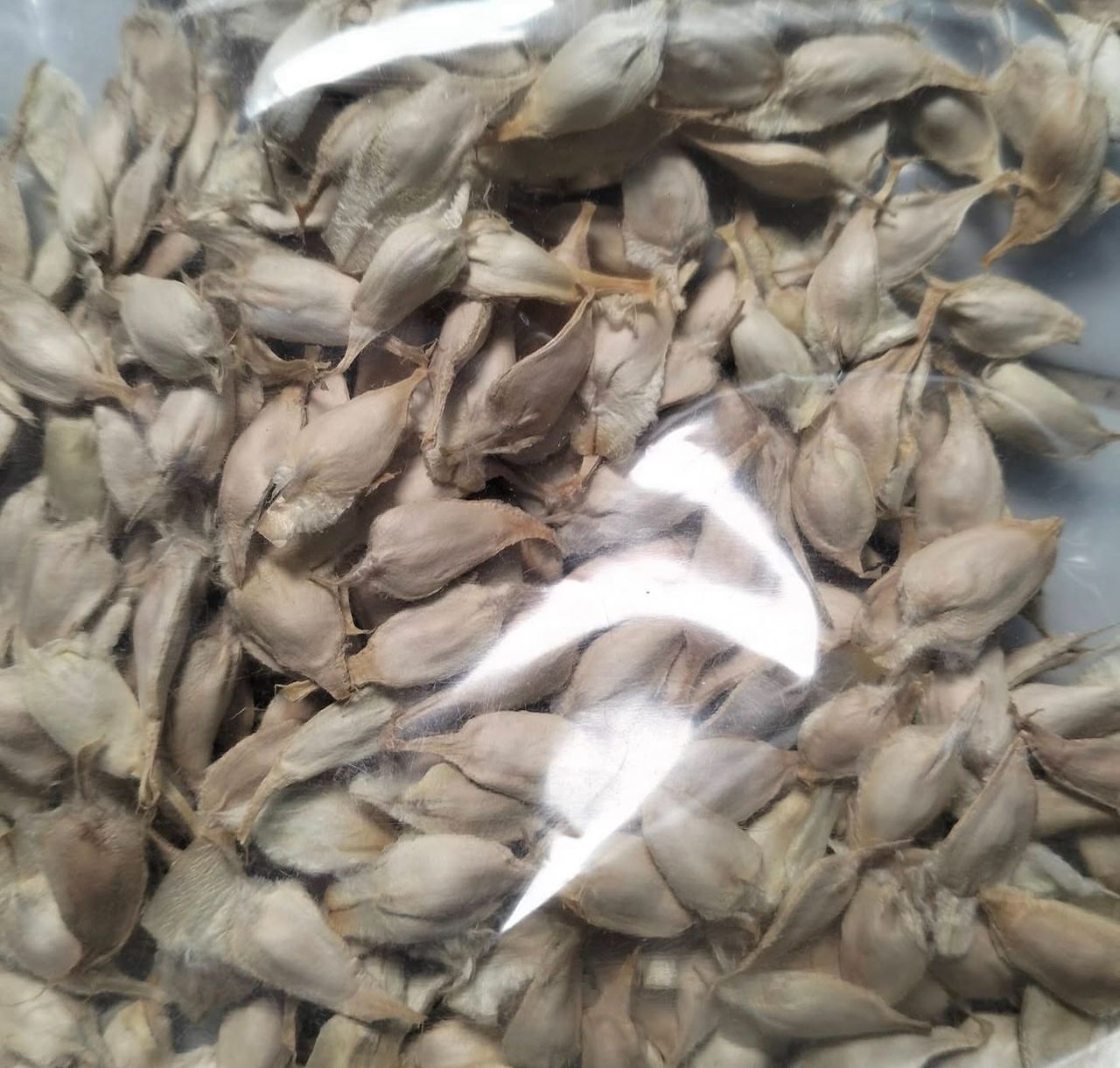
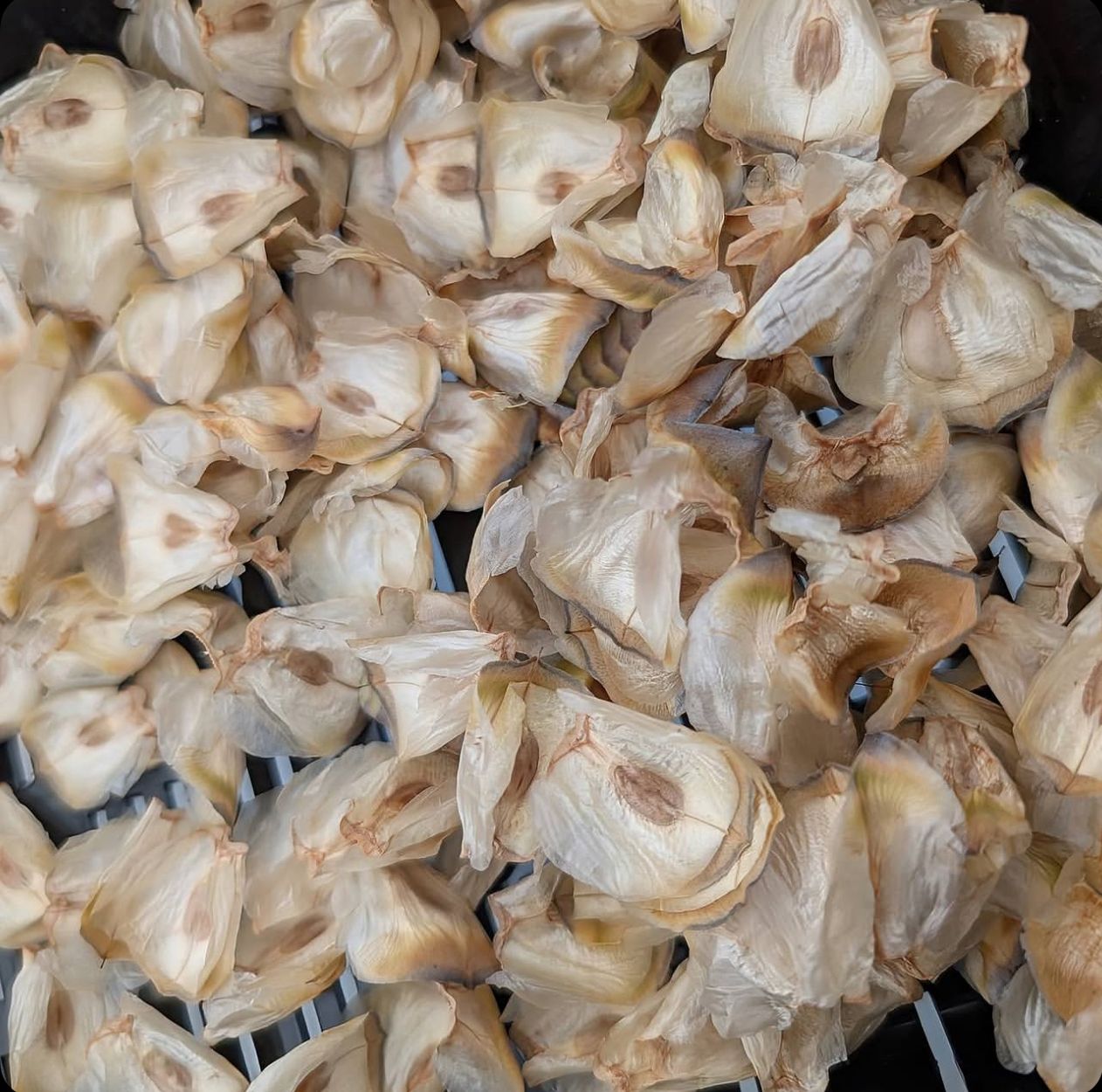
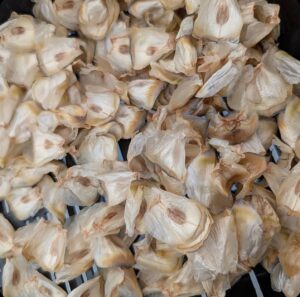
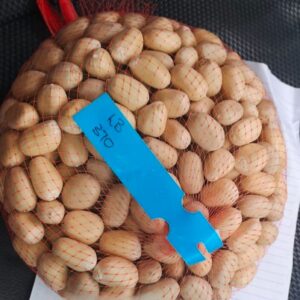
Fresh Welwitschia mirabilis seeds offer the best germination rates. Quality seeds typically exhibit these characteristics:
- Plump, firm texture without shriveling
- Light brown to tan coloration
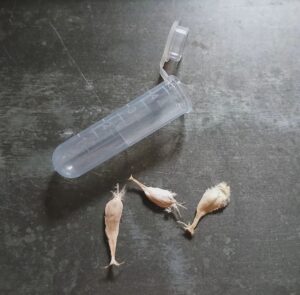
- Wings intact (seeds naturally have papery wings)
- Recent harvest date (ideally within the past 6-12 months)
- Clear labeling with collection information
Price Considerations
Due to their rarity and the challenges of collection, Welwitschia mirabilis seeds command premium prices. Expect to pay anywhere from $5 to $20 per seed, depending on freshness, source, and quantity purchased. While this may seem expensive, remember you’re investing in a potentially millennia-long growing project.
Be cautious of suspiciously low prices, which may indicate old seeds with poor viability or potentially fraudulent listings selling seeds of different species.
Legal and Ethical Considerations
CITES Regulations
Welwitschia mirabilis is not currently listed under CITES (Convention on International Trade in Endangered Species), but Namibia has enacted national protection laws. Legal seed sales should come from cultivated plants or legally collected wild sources with proper documentation.
Conservation Ethics
When purchasing Welwitschia seeds, prioritize vendors who practice ethical collection methods. Reputable suppliers typically:
- Harvest seeds from cultivated plants rather than wild populations
- Maintain transparent sourcing information
- Support conservation efforts in the plant’s native range
- Avoid over-collection from wild habitats
Responsible collectors help ensure this ancient species continues thriving both in nature and cultivation.
Germination Requirements
Preparing for Success
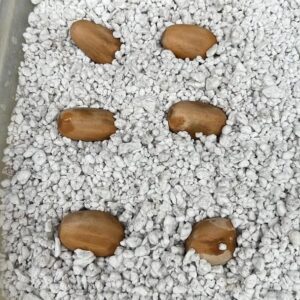
Successfully germinating Welwitschia mirabilis seeds requires understanding and replicating the plant’s natural germination conditions. Preparation significantly impacts success rates.
Seed Preparation:
- Soak seeds in lukewarm water for 24 hours before planting
- Remove and discard any seeds that float (likely non-viable)
- Optional: Some growers report success with light scarification, though this isn’t always necessary
Growing Medium: Create a well-draining mix combining:
- 50% coarse sand or perlite
- 25% quality potting soil
- 25% fine gravel or pumice
The medium must drain rapidly while retaining minimal moisture, mimicking the plant’s native sandy, mineral-rich soil.
Germination Process
Temperature: Maintain consistent warmth between 20-25°C (68-77°F). Welwitschia seeds germinate best with warm days and slightly cooler nights, replicating desert conditions.
Moisture: Keep the growing medium lightly moist but never waterlogged. Mist regularly rather than heavily watering. Overwatering is the most common cause of germination failure.
Light: Provide bright, indirect light. Direct intense sunlight can overheat seeds and damage emerging seedlings.
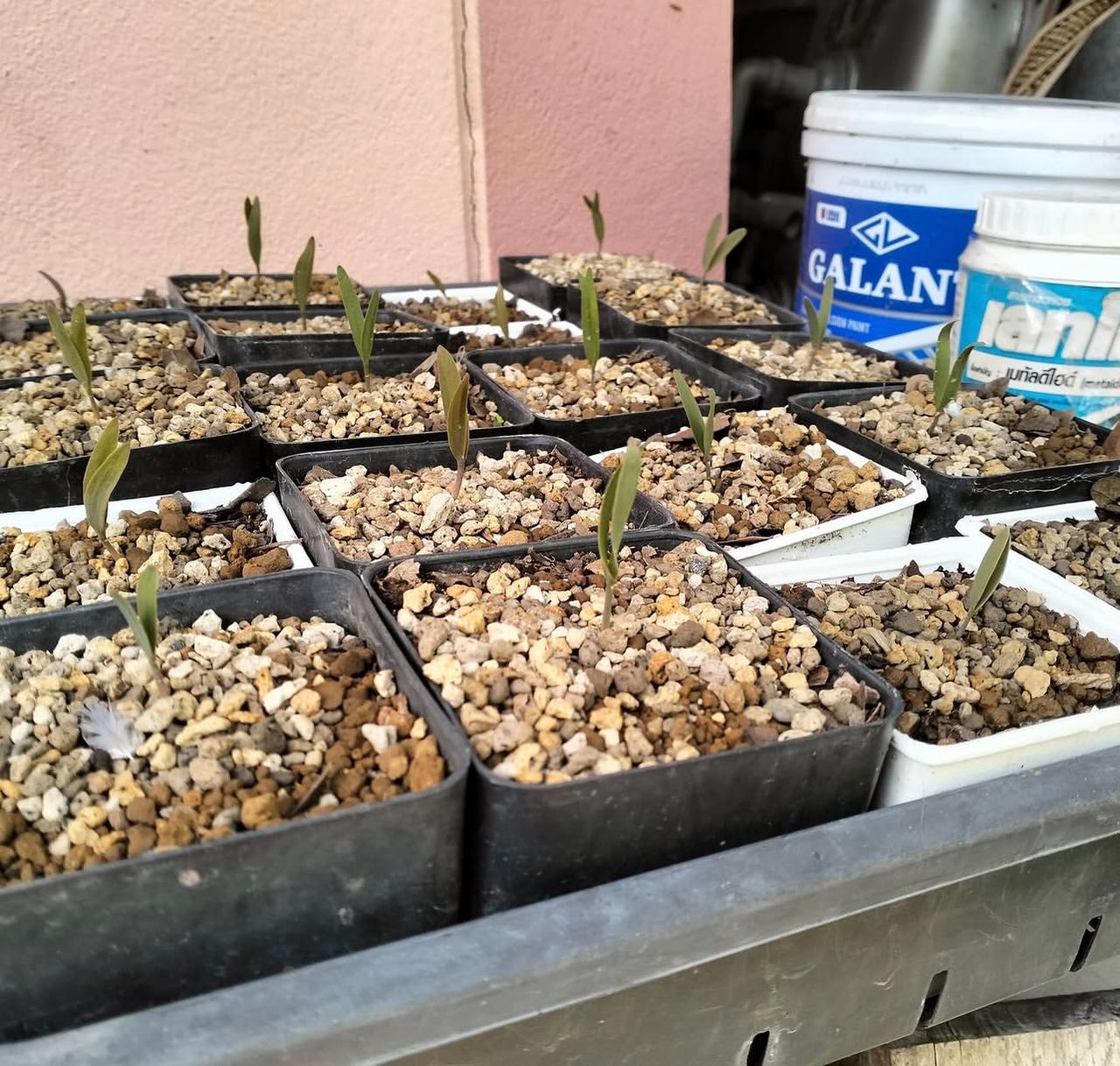
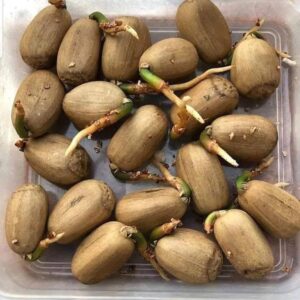
Patience: Germination typically occurs within 2-4 weeks, though some seeds may take up to 8 weeks. Welwitschia teaches patience from the very beginning.
Cultivation and Long-Term Care
Seedling Stage (Years 1-3)
Young Welwitschia plants are particularly vulnerable and require careful attention:
Watering: Water sparingly but regularly during the growing season, allowing the soil to dry slightly between waterings. Reduce frequency during winter dormancy.
Container Selection: Use deep pots (at least 30cm) to accommodate the developing taproot. Shallow containers restrict growth and stress the plant.
Fertilization: Apply diluted, balanced fertilizer monthly during active growth. Welwitschia requires minimal feeding—over-fertilization causes more harm than under-fertilization.
Environmental Conditions: Provide maximum light without scorching. Young plants appreciate some afternoon shade in extremely hot climates.
Mature Plant Care (Year 4+)
As Welwitschia matures, care requirements simplify:
Water Management: Established plants demonstrate remarkable drought tolerance. Water deeply but infrequently, allowing soil to dry completely between waterings.
Temperature Tolerance: Mature Welwitschia tolerates temperature ranges from near-freezing to over 40°C (104°F), though protection from hard frost is advisable.
Repotting: Minimal repotting is necessary. The plant’s taproot resents disturbance, so choose the final container carefully and avoid unnecessary transplanting.
Common Growing Challenges
Fungal Issues
Overwatering creates perfect conditions for fungal diseases, which can quickly kill Welwitschia seedlings. Prevention includes:
- Ensuring excellent drainage
- Avoiding overhead watering
- Providing adequate air circulation
- Using sterilized growing medium
Slow Growth
Many growers become discouraged by Welwitschia’s extremely slow growth rate. Understanding that this is natural helps maintain realistic expectations. Young plants may show minimal visible growth for the first several years while establishing their extensive root system.
Leaf Damage
The characteristic tattered appearance of mature Welwitschia leaves results from natural weathering. However, excessive damage from handling, pests, or environmental stress should be minimized during the plant’s formative years.
Creating Optimal Growing Conditions
Indoor Cultivation
Growing Welwitschia indoors presents challenges but remains achievable with proper setup:
Lighting: Provide full-spectrum grow lights for 12-14 hours daily. Position lights to deliver intense illumination without excessive heat.
Humidity: Maintain low to moderate humidity (30-50%). Excessive humidity encourages fungal problems.
Air Movement: Gentle air circulation prevents stagnant air and strengthens the plant.
Outdoor Cultivation
In suitable climates, outdoor growing offers advantages:
Climate Requirements: Ideal climates feature hot, dry summers with mild winters. Mediterranean, desert, and semi-arid regions work best.
Site Selection: Choose locations with maximum sun exposure, excellent drainage, and protection from excessive rainfall.
Soil Preparation: Amend heavy soils extensively with sand and gravel to ensure rapid drainage.
The Rewards of Patience
Cultivating Welwitschia mirabilis from seed represents one of horticulture’s most rewarding long-term projects. While growth is slow and challenges exist, successfully nurturing this living fossil connects growers to millions of years of botanical history.
Your Welwitschia seedling, barely visible today, could potentially outlive you and several subsequent generations. This perspective transforms plant cultivation into legacy building, creating a living connection between past, present, and distant future.
Conclusion
Finding quality Welwitschia mirabilis seeds for sale marks the beginning of an extraordinary botanical journey. By sourcing from reputable suppliers, understanding the plant’s unique requirements, and committing to patient, informed care, you can successfully grow this remarkable living fossil.
Whether your interest stems from scientific curiosity, collector’s passion, or simple appreciation for botanical wonders, Welwitschia mirabilis offers unparalleled rewards. This ancient survivor of countless millennia brings a piece of deep evolutionary history into your collection, connecting you to the primordial landscapes where it has thrived since before human civilization began.
Start your Welwitschia journey today by securing quality seeds from trusted sources, and prepare for a lifetime of fascination with one of Earth’s most extraordinary plants.
Reviews
There are no reviews yet.