
Monstera Deliciosa Aurea Variegated: The Ultimate Guide to This Stunning Golden Houseplant
Introduction to Monstera Deliciosa Aurea Variegated
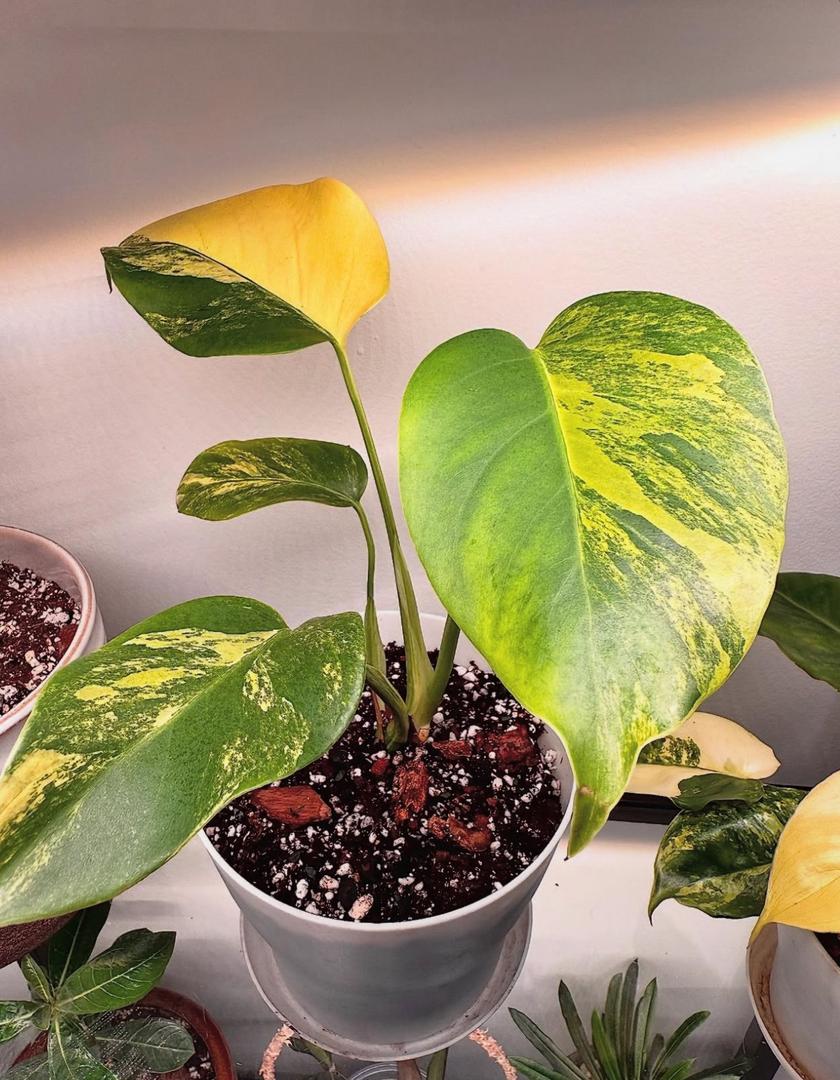
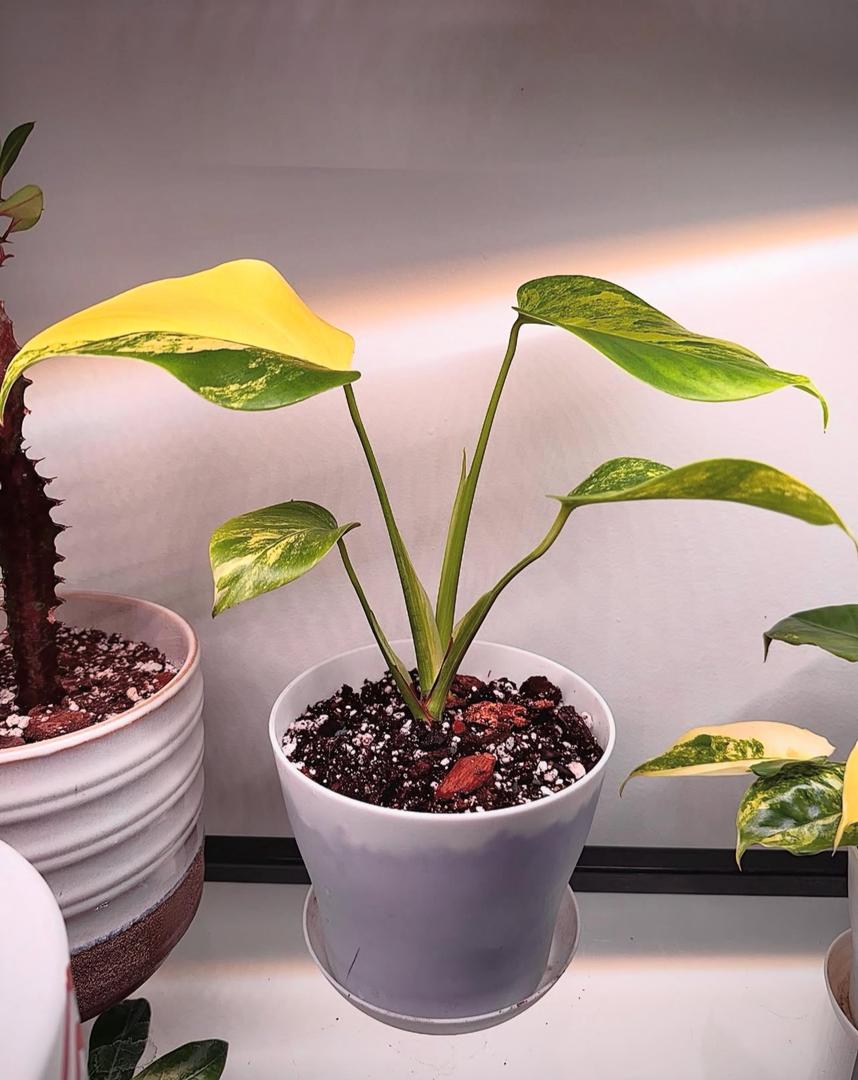
The Monstera Deliciosa Aurea Variegated stands as one of the most coveted houseplants among collectors and plant enthusiasts worldwide. This striking variegated variety features vibrant yellow-gold streaks and patches across lush green leaves, creating a unique display that distinguishes it from other Monstera varieties. Often referred to as Monstera Marmorata, this plant displays marbled yellow and neon lime-green variegation that contrasts starkly with the underlying hunter green base.
As a naturally occurring mutation of the Monstera deliciosa, the Aurea variety is considered rare and highly sought-after. Its golden-yellow variegation patterns make each plant completely unique, ensuring no two specimens look exactly alike. Whether you’re an experienced plant parent or just beginning your journey into rare plant collecting, understanding proper care for this botanical treasure is essential for maintaining its stunning appearance.
What Makes Monstera Deliciosa Aurea Variegated Special?
Unique Golden Variegation
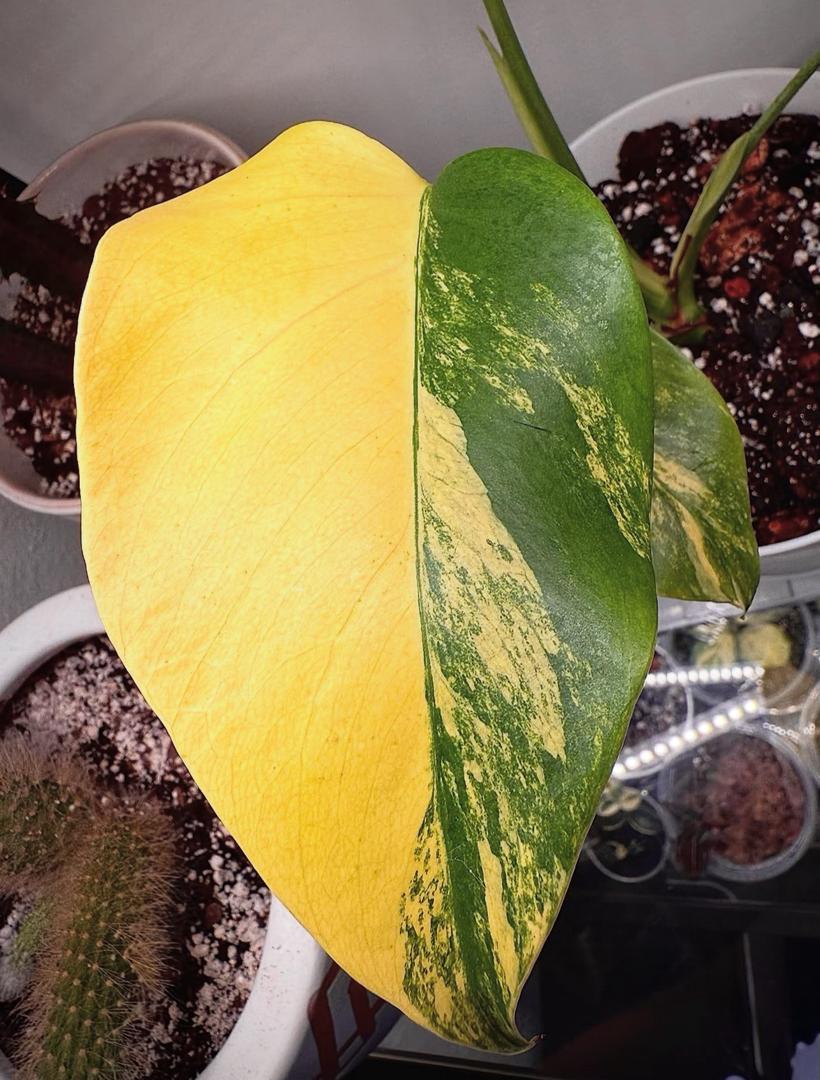
The lemon and lime-colored variegation of Monstera Aurea occurs in patterns similar to the Monstera Albo, featuring blocks and splashes of color with some leaves displaying half-moon variegation where one side is emerald green and the other yellowish. This dramatic split creates an eye-catching aesthetic that has made the Aurea a centerpiece plant in modern interior design.
The intensity and pattern of variegation vary from leaf to leaf, creating an ever-evolving display as your plant matures. Some leaves may show sectoral splashing, while others present marbled patterns or dramatic half-moon divisions. This unpredictability adds to the plant’s charm and collectibility.
Rarity and Value
Due to its scarcity and distinctive variegation, Monstera Aurea is expensive, making it a sought-after option for plant collectors and enthusiasts. The median price currently sits around $65 to $85 for established plants, with mature specimens reaching $144 or more. The rarity stems from several factors: the mutation occurs naturally at extremely low rates, the variegation can be unstable, and propagation requires more time compared to standard Monstera varieties. Monstera Deliciosa Aurea Variegated
Essential Care Requirements
Light Requirements
Variegated plants like Monstera Aurea need plenty of light to maintain their stunning colors, requiring placement in bright, indirect light to keep the yellow variegation vibrant. The lack of chlorophyll in variegated areas makes leaves more photosensitive and prone to scorching, requiring careful avoidance of direct sunlight.
Position your plant near an east or south-facing window where it receives abundant ambient daylight without harsh midday sun exposure. A few hours of gentle morning or late afternoon sun is acceptable, but prolonged direct sunlight will burn the delicate variegated sections. If natural light is insufficient, especially during winter months, supplemental grow lights can help maintain vibrant coloration and prevent the plant from producing more green leaves to compensate for reduced light levels.
Watering Guidelines
Water your Monstera Deliciosa Aurea when the top inch of soil feels dry to the touch, soaking thoroughly and allowing water to run through drainage holes. Monsteras with rich variegation are extremely sensitive to water, so ensure water drains fully and the plant isn’t sitting in water, keeping it on the drier side.
The key to successful watering is consistency without overcompensation. Check soil moisture regularly by inserting your finger into the top two inches of soil. When it feels dry, water thoroughly until excess drains from the bottom. Always empty drainage trays to prevent root rot, which is the most common cause of plant death for Monstera varieties. Monstera Deliciosa Aurea Variegated
Soil and Potting Mix
Aurea Monsteras thrive in rich, well-draining soil with chunky components that help oxygenate the roots, with a mixture of one-third orchid bark, one-third perlite, and one-third compost working well. This aroid mix provides the perfect balance of moisture retention and drainage while ensuring roots receive adequate oxygen.
The chunky texture mimics the plant’s natural epiphytic growing conditions in rainforest environments. You can also add components like activated charcoal for odor control and pumice for additional drainage. Avoid heavy, compact soils that retain excessive moisture, as these create anaerobic conditions leading to root rot.
Temperature and Humidity
Monstera Aurea thrives in warm environments between 65°F and 85°F, requiring protection from cold drafts or sudden temperature changes. The ideal humidity level is around 65-70%, which can be achieved by adding a moss pole, potting in a larger container, or grouping with other aroids.
Consistent environmental conditions prevent stress that can lead to browning leaves or slowed growth. If your home has dry air, particularly during winter when heating systems run constantly, invest in a humidifier or create a humidity tray by placing the pot on a tray filled with pebbles and water (ensuring the pot bottom doesn’t touch the water directly).
Fertilization
Fertilize Monstera Aurea in spring and summer with products that don’t contain heavy salts, using an N-P-K ratio of 5-2-3 to promote healthy foliage growth and strong roots. During active growing seasons, monthly applications at half-strength provide sufficient nutrition without overwhelming the plant.
Reduce or eliminate fertilization during fall and winter when growth naturally slows. Over-fertilizing can cause salt buildup in the soil, leading to root burn and leaf damage. Always apply fertilizer to moist soil to prevent root stress.
Growth Characteristics and Support
Growth Rate and Patterns
Monstera Aurea Variegata grows at a glacial pace compared to ordinary green Monsteras, with steady, consistent growth taking time and skill to achieve. Due to lack of chlorophyll, energy from the sun is absorbed more slowly than in fully green Monstera, resulting in slower growth rates.
Patience is essential when growing Aurea varieties. While standard Monstera deliciosa can produce new leaves every few weeks during peak growing season, Aurea specimens may take several months between new leaf emergence. This slower pace is normal and not indicative of poor care.
Climbing Support
Like all Monstera deliciosa varieties, Aurea is a natural climber that benefits significantly from proper support structures. Providing a moss pole, trellis, or wooden stake encourages the plant to climb as it would in nature, attaching itself via aerial roots. Proper support not only creates a more aesthetic appearance but also promotes larger, more fenestrated leaves with more dramatic splits and holes.
Use soft plant ties to gently secure stems to the support structure, avoiding tight binding that could damage growing tissue. As the plant matures and produces aerial roots, these will naturally attach to moss poles, creating a self-supporting structure. Monstera Deliciosa Aurea Variegated
Propagation Techniques
Stem Cutting Method
Monstera Marmorata propagates via node cuttings by selecting an area with a few nodes and removing it with clean scissors, then rooting in water or sphagnum moss. Most growers have the same success rate propagating Monstera Aurea as non-variegated Monsteras, making it easier to propagate than Monstera Albo.
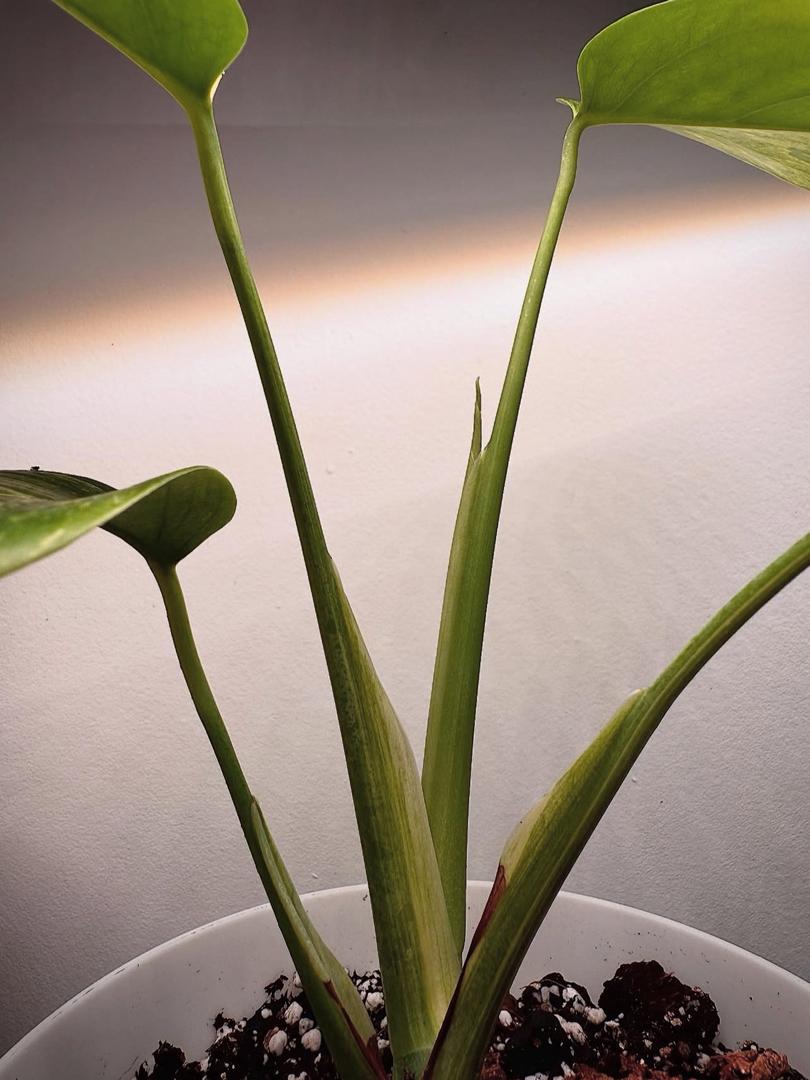
For successful propagation, identify a healthy stem section with at least one node and one or two leaves. The node is the bump on the stem where leaves emerge and contains the cells necessary for root development. Make your cut one to two inches below the node using sterilized pruning shears or scissors. Place the cutting in filtered water or moist sphagnum moss, ensuring the node is submerged while leaves remain above the medium.
Aurea cuttings can take 4-8 weeks to develop roots, significantly longer than non-variegated Monsteras. Maintain bright, indirect light and temperatures between 75-80°F during rooting. Change water every few days to prevent bacterial growth. Once roots reach two to three inches in length, transplant the cutting into an appropriate aroid mix. Monstera Deliciosa Aurea Variegated
Air Layering Alternative
For valuable plants or larger stems, air layering offers higher success rates by encouraging root development while the cutting remains attached to the mother plant. This method involves making a small upward cut below a node, keeping it open with a toothpick, applying rooting hormone, and wrapping the area with moist sphagnum moss secured in plastic wrap. Once roots develop through the moss, sever the stem and pot the new plant.
Common Issues and Solutions
Variegation Management
Some variegation mutations are temporary due to instability, with potential for non-variegated growth to outgrow variegation. If you notice two to three completely green or completely yellow leaves emerging consecutively, prune back to the last partially variegated leaf to encourage balanced variegation in subsequent growth. Monstera Deliciosa Aurea Variegated
Fully variegated (all yellow) leaves are beautiful but drain the plant’s resources since they lack chlorophyll for photosynthesis. Conversely, fully green leaves indicate reversion where the plant returns to its non-variegated state. Strategic pruning maintains the desired variegation balance.
Pest Management
Mealybugs, scale, and spider mites commonly plague variegated Monsteras, requiring prompt treatment with horticultural oils or insecticidal soaps as directed. Regular inspection of leaf undersides and stem joints catches infestations early when they’re easiest to control.
Prevention is the best approach: maintain proper air circulation, avoid overwatering which attracts pests, and quarantine new plants before introducing them to your collection. If pests appear, isolate the affected plant immediately to prevent spread.
Leaf Browning and Yellowing
Brown edges typically indicate low humidity or inconsistent watering, while yellowing leaves can signal overwatering, insufficient light, or nutrient deficiencies. Evaluate your care routine systematically to identify the cause. Remember that older lower leaves naturally yellow and drop as the plant matures, which is normal and not cause for concern. Monstera Deliciosa Aurea Variegated
Seasonal Care Adjustments
Spring and Summer Care
As temperatures rise and daylight increases, your Monstera Aurea enters active growth phase. Increase watering frequency as the plant uses more moisture during rapid development, but always check soil moisture before watering. Resume monthly fertilization with balanced liquid fertilizer at half-strength. This is the optimal time for propagation and repotting if needed.
Fall and Winter Care
When days shorten and temperatures drop, reduce watering frequency as growth slows. The top soil layer may take longer to dry during dormancy. Discontinue fertilization entirely or reduce to once every two to three months at quarter-strength. If your home becomes particularly dry during winter heating season, maintain humidity through humidifiers or grouping plants together. Monstera Deliciosa Aurea Variegated
Repotting Guidelines
Repot every 2-3 years, less often than standard Monsteras due to slower growth, watching for signs like roots circling the bottom or emerging from drainage holes. Choose a pot only one to two inches larger in diameter than the current container, as oversized pots can lead to overwatering issues.
Select heavier pots like terra cotta or glazed ceramic that provide stability as the plant grows tall and top-heavy. Ensure proper drainage holes to prevent water accumulation. Spring is the ideal time for repotting when new growth is beginning and the plant can quickly establish roots in fresh soil. Monstera Deliciosa Aurea Variegated
Display and Styling Tips
The dramatic golden variegation of Monstera Aurea makes it a stunning focal point in any interior space. Its unique coloring complements both modern and bohemian design styles, adding warmth and tropical flair. Position your plant where its variegation catches natural light, creating an illuminated effect that highlights the golden hues.
As a climbing plant, Aurea looks spectacular trained vertically on a moss pole or trellis, creating a living sculpture. Alternatively, allow it to trail from hanging planters or elevated shelves for a cascading effect. The large, fenestrated leaves make bold architectural statements, particularly in minimalist spaces where the plant becomes the primary decorative element.
Conclusion
The Monstera Deliciosa Aurea Variegated represents the pinnacle of rare houseplant collecting, combining stunning golden aesthetics with relatively straightforward care requirements. While it demands more attention than standard green varieties—particularly regarding light, water, and humidity—the rewards of successfully cultivating this botanical treasure are immeasurable.
By providing bright indirect light, well-draining soil, appropriate humidity levels, and patient, consistent care, you can enjoy the ever-changing beauty of this remarkable plant for years to come. Whether you’re adding your first rare plant to your collection or expanding an already impressive array, Monstera Aurea offers a unique combination of visual impact and collectible appeal that few other houseplants can match.
Remember that each plant develops its own unique variegation patterns, making your Aurea truly one-of-a-kind. Embrace the slower growth rate as an opportunity to appreciate each new leaf as it unfurls, revealing another masterpiece of nature’s artistry in golden green splendor. Monstera Deliciosa Aurea Variegated
Reviews
There are no reviews yet.