
Lophophora Williamsii Seeds for Sale: Complete Guide to Buying and Growing Peyote Cactus
Introduction to Lophophora Williamsii Seeds
Lophophora williamsii, commonly known as peyote, is a small, spineless cactus native to Mexico and the southern United States. This slow-growing plant thrives in arid regions and has been revered for thousands of years, particularly among indigenous cultures. Today, it remains a sought-after cactus for serious collectors and enthusiasts who appreciate both its unique button-shaped appearance and its fascinating cultural history.
For cactus collectors and conservation-minded growers, purchasing Lophophora williamsii seeds represents an opportunity to cultivate this rare and endangered species while contributing to preservation efforts. However, before purchasing seeds, it’s essential to understand the complex legal landscape surrounding this plant, proper growing techniques, and where to find authentic, high-quality seeds.
CRITICAL LEGAL NOTICE: The legal status of Lophophora williamsii varies significantly by jurisdiction. This article provides educational information about seed availability and cultivation techniques. Readers must research and comply with all applicable laws in their location before purchasing or growing these plants.
Legal Status of Lophophora Williamsii Seeds
United States Federal Law
Under federal law, peyote is classified as Schedule I, covering all parts of the plant including seeds, any extract from any part of such plant, and every compound, manufacture, salts, derivative, mixture, or preparation of such plant, its seeds or extracts. This means possession and cultivation are technically illegal under federal law for most people.
However, the listing of peyote as a controlled substance does not apply to the nondrug use of peyote in bona fide religious ceremonies of the Native American Church, and members so using peyote are exempt from registration. This exemption creates legal protection for specific religious use.
State-Specific Laws
State laws vary considerably. In California, law states that every person who plants, cultivates, harvests, dries, or processes any plant of the genus Lophophora shall be punished by imprisonment, with California’s wording notably including the entire Lophophora genus, not just L. williamsii.
Conversely, in Arizona, Colorado, Minnesota, Nevada, New Mexico, Oregon and Utah, the bona fide religious use of peyote is exempted, regardless of race, with some states extending protections more broadly than federal law.
International Legal Status
Laws vary globally. In Canada, mescaline is listed as Schedule III, but peyote is specifically exempt, making possession and use of peyote plants legal. In Australia, you can grow Lophophora williamsii legally, with some collectors there growing nothing else.
In the Netherlands, peyote is not scheduled in its fresh state, with only preparations containing mescaline being scheduled. In Mexico, peyote is Schedule I, although a few indigenous tribes are allowed to harvest it, and it’s protected as an endangered species with controlled harvesting.
Practical Considerations
Many cactus collectors in the United States actually have a plant or two in their collections, though officially possession is illegal. The enforcement reality differs from the legal technicalities, though this doesn’t change the law. Trying to import plants carries much higher risk, with risk of getting into trouble being almost 99%.
This article focuses on botanical information for educational purposes and for those in jurisdictions where cultivation is legal.
Why Purchase Lophophora Williamsii Seeds?
Conservation Importance
The peyote cactus, mostly lophophora williamsii, is endangered in the wild, requiring action to protect it and help it stay in nature. Due to over-harvesting in its natural habitat, peyote has become an endangered species in the wild, underscoring the need for conservation. Growing from seed represents an important conservation tool that reduces pressure on wild populations.
Purchasing more seeds not only supports conservation efforts but also ensures a higher germination rate for growing these endangered plants at home. Cultivation helps preserve this culturally and ecologically significant species for future generations.
Collector Appeal
Unlike most cacti, Lophophora williamsii lacks spines, giving it a smooth, rounded body that makes it instantly recognizable. Its characteristic blue-green to grey-green coloration and symmetrical ribs create a distinctive button-like form. The plant’s unique appearance, combined with its cultural significance and rarity, makes it highly prized among serious cactus collectors.
Each seed germinates into a one-of-a-kind plant with subtle variations in tone, shape, and growth pattern, making cultivated specimens truly unique. Mature plants can live for decades, rewarding careful growers with enduring and increasingly impressive specimens.
Where to Buy Lophophora Williamsii Seeds
Reputable Seed Vendors
Several specialized cactus seed vendors offer Lophophora williamsii seeds for sale, primarily serving collectors in jurisdictions where cultivation is legal:
International Vendors:
- Specialized exotic seed retailers that ship worldwide (with buyers responsible for knowing local laws)
- European cactus nurseries that offer various Lophophora species
- Canadian suppliers serving areas where cultivation is legal
Considerations When Choosing Vendors:
- Look for vendors offering recently harvested seeds to ensure highest germination rates
- Reputable sellers hand-process orders and often include extra seeds
- Trustworthy vendors clearly state that buyers must know and follow their local laws
- Quality suppliers provide growing information and support
Online Marketplaces
eBay has banned all sales of Lophophora even in locations where they are legal, with any auction containing this word quickly taken down. This makes finding seeds on mainstream platforms challenging. Specialized botanical marketplaces and dedicated cactus forums provide better options for connecting with legitimate sellers.
What to Avoid
- Vendors making health claims or promoting illegal use
- Sellers unwilling to discuss seed freshness or germination rates
- Sources that don’t clearly communicate legal responsibilities
- Suspiciously cheap offerings that may indicate old or non-viable seeds
- Vendors without established reputations in the cactus community
Seed Quality and Germination Rates
Fresh vs. Old Seeds
Seed freshness dramatically impacts germination success. Recently harvested seeds (within the past year) typically achieve germination rates of 60-90% under optimal conditions. Older seeds experience declining viability, with rates dropping significantly after two years.
Quality vendors clearly communicate harvest dates and storage conditions. Seeds should be stored in cool, dry conditions to maintain viability. Proper storage can extend seed life, but freshness remains the most important factor for successful germination.
Seed Appearance and Characteristics
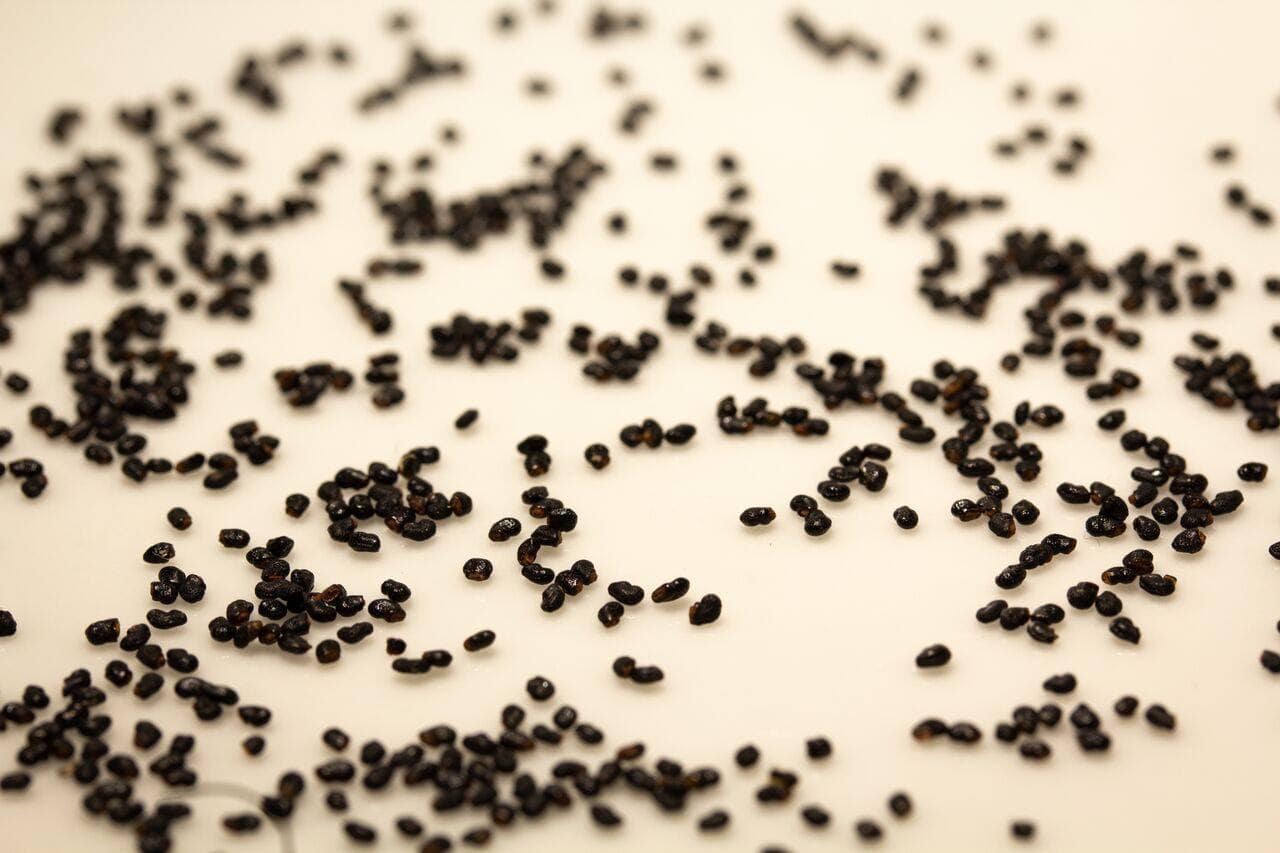
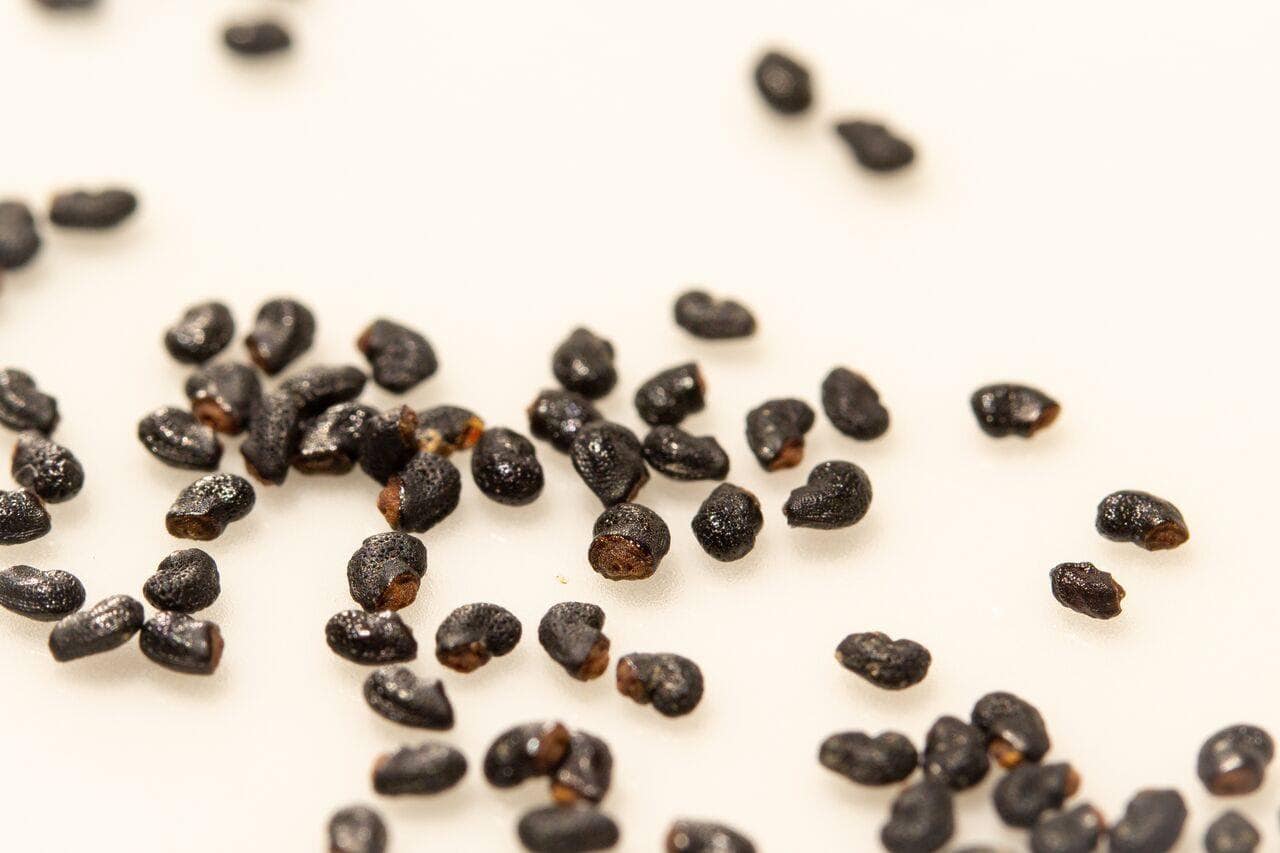
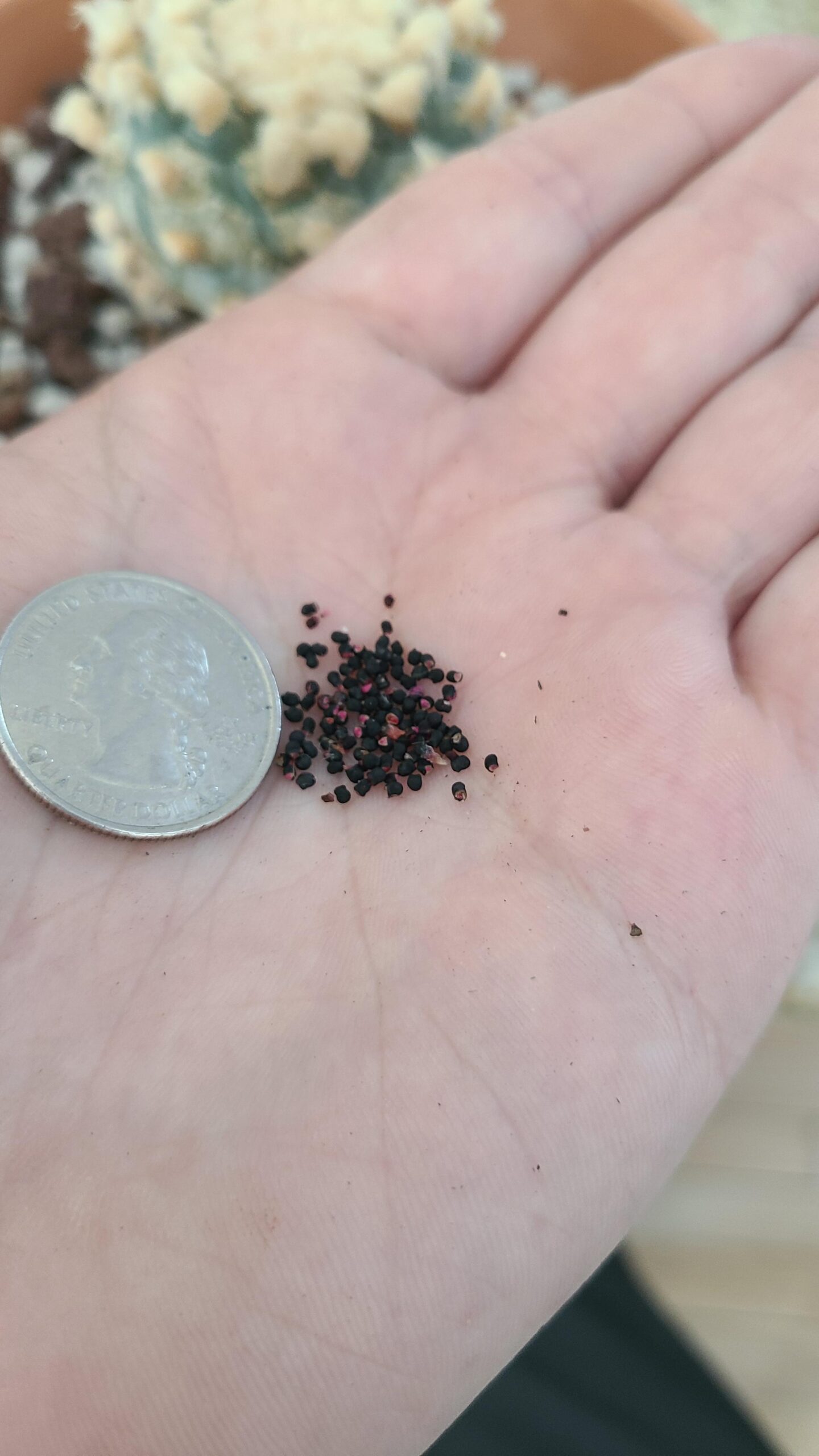
Lophophora williamsii seeds are small, flat, and black when mature. Healthy seeds have a consistent dark color without mold, discoloration, or obvious damage. Each mature peyote fruit contains multiple seeds, with wild-collected fruits yielding varying quantities depending on pollination success.
Testing Germination Potential
Before committing to large-scale growing, test a small sample of seeds to assess viability. This helps you understand germination rates and adjust your approach accordingly. Even with fresh seeds, some variation in germination success is normal due to genetic diversity and environmental factors.
Growing Lophophora Williamsii from Seed
Germination Requirements
Peyote seeds require specific conditions for successful germination:
Temperature: Maintain warmth between 75-85°F (24-29°C) for optimal germination. Consistent temperature is crucial—fluctuations can delay or prevent sprouting.
Humidity: Seeds need high humidity of 70-90% during germination. Cover containers with clear plastic or glass to create a mini-greenhouse effect, removing coverings briefly each day for air exchange.
Light: Seeds require light to germinate properly. Surface sow seeds without burying them, gently pressing them into the substrate while leaving them exposed to light.
Substrate: Use well-draining cactus mix containing approximately 50% mineral-based soil and 50% coarse sand or perlite. Some growers prefer a mixture of 70% mineral (including 10% limestone) to 30% organic material.
Germination Timeline
Germination typically occurs within 2-4 weeks under optimal conditions, though some seeds may take longer. Patience is essential—don’t give up on seeds that haven’t sprouted by the three-week mark, as late germinators can still produce healthy seedlings.
Seedling Care
Young peyote plants are extremely sensitive during their first year. After sprouting, seedlings form into small, rounded, bright green balls. After 9-12 months, they typically measure around 2 cm in diameter and begin developing their characteristic blue-green color and bumpy appearance.
Critical First-Year Guidelines:
- Provide only water and high-quality cactus soil—no fertilizer
- Don’t transplant or disturb seedlings during the first year
- Exception: Remove seedlings immediately if mold appears in growing medium
- Gradually introduce seedlings to brighter light to prevent shock
- Maintain consistent moisture without waterlogging
Don’t worry if year-old peyotes measure only around 1 cm in diameter—this is completely normal for this extremely slow-growing species.
Long-Term Cultivation
Light Requirements
Peyote thrives in bright, indirect sunlight that simulates its native desert environment. Place plants less than one foot from south-facing windows to maximize growth potential. Young seedlings should be gradually exposed to full sunlight to prevent shock and burning. Mature plants can tolerate full sun during spring and summer but benefit from protection during the most intense midday hours.
Watering Schedule
Water only when soil is completely dry. The most common mistake is overwatering, which quickly leads to rot. Use the toothpick test: insert a toothpick into the soil, and if it comes out dry, watering is appropriate. During spring and summer active growth, water when the top inch of soil feels dry. During fall and winter dormancy, significantly reduce or eliminate watering.
Soil and Container Selection
Use well-draining aroid-type mix in unglazed terracotta pots with drainage holes. The porous nature of terracotta allows excess moisture to evaporate, reducing rot risk. Choose deep enough pots to allow generous root growth—restricted roots lead to root-bound plants with stunted growth.
Temperature and Environment
Maintain temperatures between 70°F and 90°F during growing season. Protect from cold drafts and sudden temperature changes. While plants can tolerate brief exposure to freezing temperatures, extended cold exposure causes harm or death. During winter dormancy, cooler temperatures are acceptable and beneficial.
Growth Rate Expectations
Patience is absolutely essential when growing peyote. These cacti grow slower than most species, typically taking 10-15 years to reach maturity in natural habitats. Under optimal cultivation conditions with consistent care, growth accelerates somewhat, with plants sometimes reaching flowering maturity in 3-5 years rather than 10-15.
However, cultivated growth still requires exceptional patience. New leaves may emerge only every few months during peak growing season. This glacial pace is normal and not indicative of poor care—it’s simply the nature of this species.
Advanced Growing Techniques
Grafting for Acceleration
Grafting peyote onto fast-growing rootstock like San Pedro (Trichocereus pachanoi) dramatically accelerates growth, potentially reducing time to maturity from 10-15 years to just 2-3 years. Grafted specimens grow much larger than naturally rooted plants and flower more readily.
The process involves cutting a peyote top (scion) and attaching it to cut rootstock, aligning vascular cambium layers. Secure with rubber bands or grafting clips until the union heals (typically 2-3 weeks). This advanced technique requires skill but offers substantial time savings for impatient growers.
Alternative Lophophora Species
For those in restrictive jurisdictions, other Lophophora species offer similar appearance without legal complications:
Lophophora diffusa: Very similar in appearance to L. williamsii but lacks significant mescaline content, making it legal in most jurisdictions. Seeds are available from vendors like Mesa Garden and other U.S. sources.
Other Species: L. fricii, L. texana, and other varieties provide similar button-like aesthetics with varying legal status depending on location.
Common Problems and Solutions
Overwatering and Rot
Overwatering represents the greatest threat to Lophophora cultivation. Signs include mushy texture, translucent appearance, and foul odor. If rot occurs, cut the plant just past where rot ends, allow the cut surface to callus for several days, then replant in fresh, completely dry soil.
Prevention is always easier than treatment. Ensure proper drainage, use appropriate soil mixtures, and water only when soil is bone dry.
Pest Management
Monitor for mealybugs, scale insects, and spider mites. Remove pests mechanically with cotton swabs dipped in rubbing alcohol for light infestations. For severe problems, use insecticidal soap or neem oil following label directions. Quarantine new plants before adding them to collections to prevent pest spread.
Slow Growth or No Growth
Extremely slow growth is normal for Lophophora. However, complete absence of growth may indicate problems:
- Insufficient light (most common cause)
- Poor soil drainage leading to root issues
- Root-bound conditions in too-small containers
- Temperature extremes or fluctuations
- Overwatering damaging root system
Evaluate growing conditions systematically and make appropriate adjustments.
Ethical and Safety Considerations
Cultural Respect
Peyote has been used for centuries in traditional medicine and spiritual practices, making it a significant cultural symbol. Growers should approach cultivation with respect for the plant’s cultural importance to indigenous peoples, particularly the Native American Church.
Cultivation should be motivated by conservation goals, botanical interest, or legitimate cultural/spiritual practice—never for illicit drug production or commercialization.
Health and Safety
When handling Lophophora williamsii seeds or plants, observe health and safety precautions, as the plant contains mescaline, a psychoactive compound that can be toxic if ingested in large amounts. Contact with the plant’s sap can cause skin irritation or allergic reactions in some individuals.
Wear gloves and protective clothing when planting or repotting peyote, and ensure plants are kept out of reach of children and pets to prevent accidental ingestion.
Conservation Through Cultivation
Growing peyote from legally obtained seeds in jurisdictions where cultivation is permitted represents positive conservation action. By reducing demand for wild-collected plants and preserving genetic diversity through cultivation, dedicated growers help ensure this endangered species survives for future generations.
Conclusion
Lophophora williamsii seeds offer collectors and conservation-minded growers the opportunity to cultivate one of the world’s most fascinating and culturally significant cacti. While legal restrictions limit who can legally grow these plants, those in permissive jurisdictions can contribute to species preservation while enjoying the unique rewards of peyote cultivation.
Success requires understanding legal requirements, sourcing fresh seeds from reputable vendors, providing optimal growing conditions, and exercising exceptional patience throughout the plant’s slow development. For those willing to invest the time and care, watching these remarkable cacti grow from tiny seeds into mature specimens provides profound satisfaction and contributes meaningfully to conservation efforts.
Before purchasing Lophophora williamsii seeds, thoroughly research your local laws, commit to providing proper care for many years, and approach cultivation with the respect this culturally important and endangered species deserves. When grown legally and ethically, these plants represent living connections to both natural history and cultural heritage worthy of preservation and celebration.
Reviews
There are no reviews yet.