
Encephalartos nubimontanus: The Ultimate Guide to the Cloud Mountain Blue Cycad
Encephalartos nubimontanus, famously known as the Cloud Mountain Cycad or Blue Cycad, is one of the rarest and most striking cycads native to South Africa. Its exquisite blue-green foliage and unique woolly new-leaf coverings distinguish it from other species, evoking fascination and admiration among cycad collectors, gardeners, and conservationists alike.
This all-encompassing guide explores the botany, habitat, cultivation, propagation, care, and conservation status of Encephalartos nubimontanus — an important species on the brink of extinction in the wild and a symbol of ex-situ botanical preservation efforts.
What Is Encephalartos nubimontanus?
Encephalartos nubimontanus is a medium-sized arborescent cycad species native exclusively to the high-altitude Barberton Mountain Land in Mpumalanga, South Africa. It typically grows to a height of approximately 2.5 meters, sometimes reaching up to 4 meters in ideal conditions. The genus name “Encephalartos” refers to “bread in the head,” referencing the starchy trunk of cycads historically used by indigenous peoples, while “nubimontanus” signifies its cloud-covered mountain habitat.
Botanical Description:
-
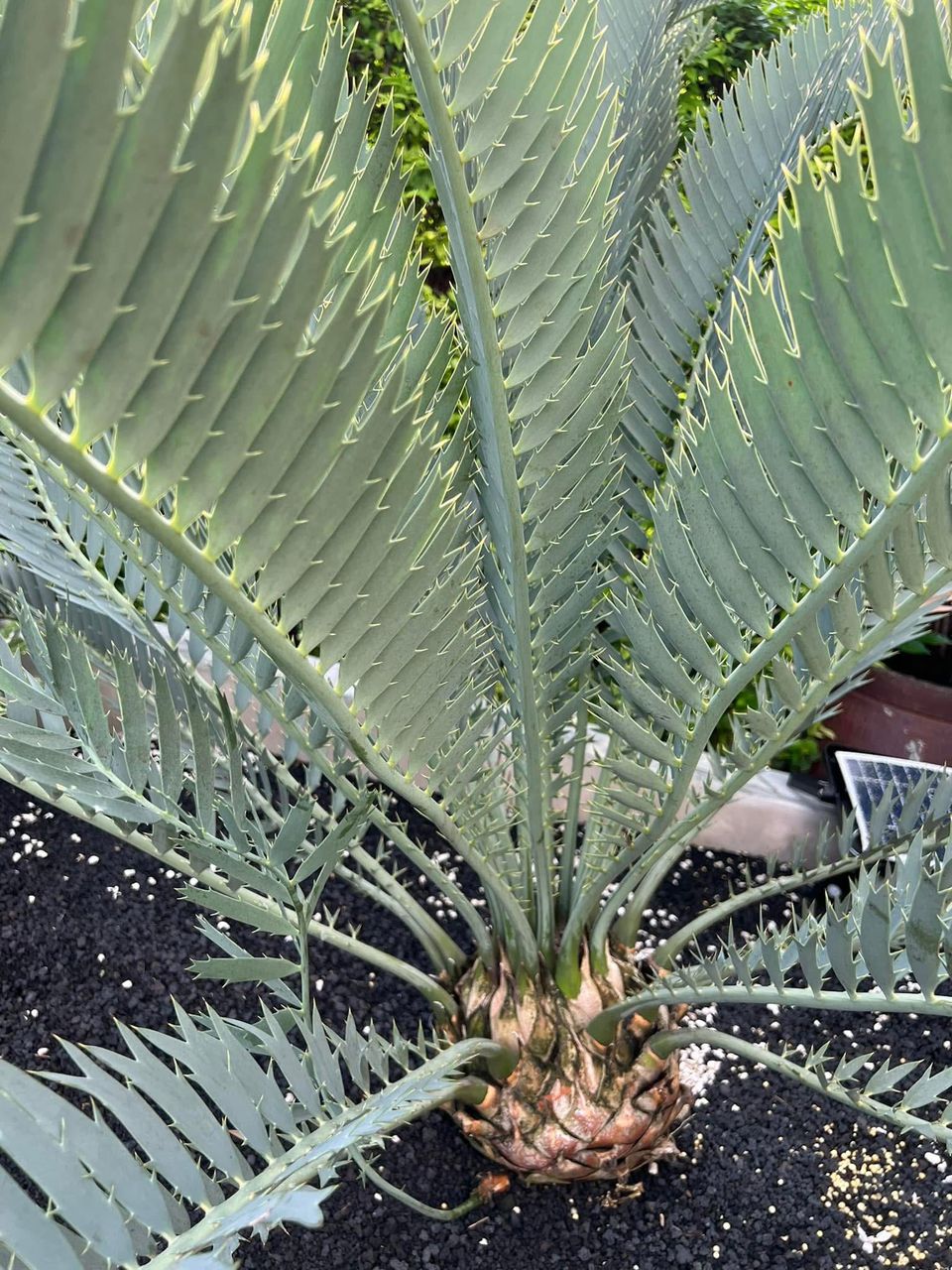
Trunk: Erect, robust, up to 2.5-4 meters tall, covered with persistent old leaf bases creating a rugged texture.
-
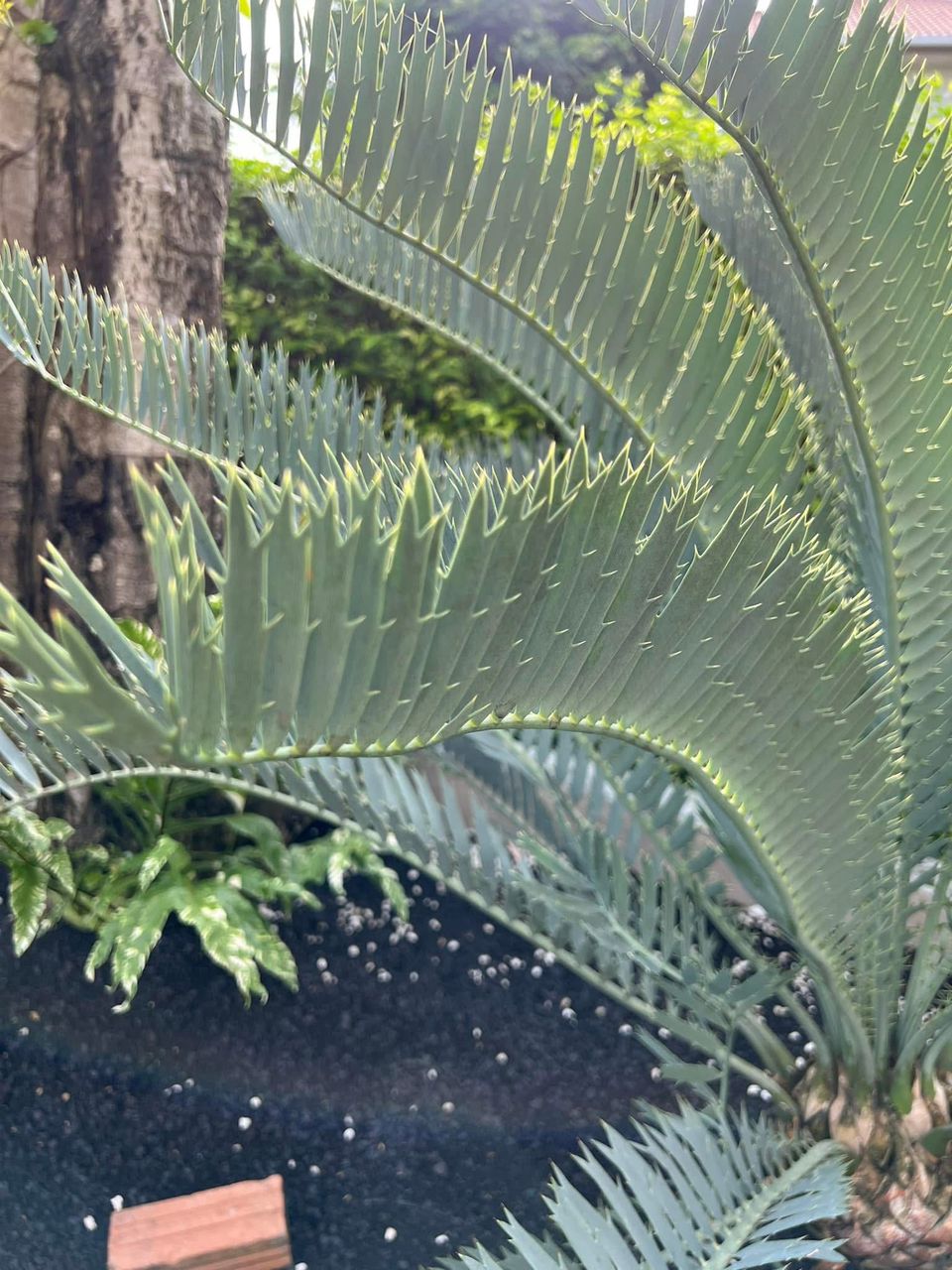
Leaves: Pinnate (feather-like) and arching, approximately 1 to 1.4 meters long, displaying a mesmerizing silvery-blue to blue-green hue.
-
New leaves: Characterized by a distinctive woolly tomentose covering, providing protection against harsh mountain conditions.
-
Leaflets: Stiff, leathery, and lance-shaped, with sharp tips arranged at angles along the rachis.
-
Cones: Dioecious species with male cones being cylindrical and olive-green, female cones larger and ovoid with a blue-green color.
-
Seeds: Bright red to orange seeds enclosed in a fleshy sarcotesta, attractive to wildlife for dispersal.
Encephalartos nubimontanus is a botanical treasure, notable for its striking foliage and its highly specialized mountain habitat, which has shaped its unique adaptations.
Natural Habitat and Distribution
This cycad is endemic to a very restricted range of cloud-covered quartzite cliffs and slopes found in the Drakensberg mountain ranges of Mpumalanga. Its natural habitat features:
-
High altitudes: Typically above 1500 meters elevation.
-
Frequent mists: Providing a cool, humid environment.
-
Steep, rocky terrain: Quartzite cliffs with excellent drainage.
-
Microclimates: Unique mountain weather patterns fostering isolated subpopulations.
Such specificity makes it vulnerable to environmental changes and human threats. Its natural population is fragmented and dangerously low due to overcollection and habitat degradation, leading to its status as functionally extinct in the wild.
Conservation Status and Threats
Encephalartos nubimontanus is classified as Extinct in the Wild by the International Union for Conservation of Nature (IUCN). The primary threats that led to this critical status include:
-
Illegal Collection: High demand from collectors has decimated wild populations.
-
Habitat Loss: Mining, land development, and invasive plant species encroach on its fragile mountain environment.
-
Limited Range: Severely restricted natural distribution makes recovery difficult.
Current conservation focuses on ex-situ cultivation through botanical gardens, nurseries, and private collectors to preserve genetic diversity and ensure species survival. There remains hope for managed reintroductions if habitat conditions and protections improve.
How to Buy Encephalartos nubimontanus
Because its wild populations are critically low, all plants in cultivation originate from carefully managed propagation programs.
Considerations for purchase:
-
Source from reputable nurseries or conservation-minded collectors who propagate by seed or offsets to avoid illegal wild collection.
-
Verify authenticity through certificates or provenance documentation.
-
Purchase juvenile plants or seeds rather than mature wild-harvested specimens.
-
Be prepared for a species that grows relatively slowly and requires patience and attentive care.
Buying Encephalartos nubimontanus supports conservation efforts when done responsibly through legal channels.
Cultivation and Growing Conditions
Light
-
Thrives best in full sun to light shade.
-
Younger plants benefit from some shade protection until adequately established.
Soil
-
Requires well-drained, sandy to rocky soil with ample organic matter.
-
Avoid heavy clay soils to prevent root rot.
Watering
-
Prefers moderate watering; keep soil moist but never waterlogged.
-
Benefits from good drainage and airflow around roots.
Temperature and Humidity
-
Adapted to cool mountain conditions but tolerates ranges between 10°C and 30°C.
-
Appreciates moderate humidity and cooler nights akin to its natural cloud forest home.
Container vs. Ground Growth
-
Can be grown in pots when young, ideal for slower growth and controlled conditions.
-
Mature plants do best in the ground simulating natural rocky slopes.
Propagation Techniques
By Seeds
-
Seeds must be collected from cultivated female plants.
-
Thorough cleaning of the fleshy seed coat (sarcotesta) is essential.
-
Sow seeds in warm, moist, well-drained substrates.
-
Germination may take several months, reflecting the species’ slow growth habit.
By Offsets
-
Occasionally produces suckers at the base.
-
Offsets can be separated carefully and rooted in optimum conditions.
-
Offers faster propagation but remains rare in this species.
Care and Maintenance
Fertilizing
-
Apply a balanced fertilizer during the growing season to support foliage and root development.
-
Organic compost and slow-release nutrient formulas are ideal.
Pruning
-
Minimal pruning, primarily removing dead or yellowing leaves to maintain aesthetics and health.
Pest and Disease Management
-
Monitor for scale insects and aphids.
-
Prevent fungal diseases by avoiding excessive moisture and providing adequate airflow.
Repotting
-
Young plants should be repotted every 2–3 years.
-
Use fresh well-draining mix, mimicking natural rocky soils.
Landscaping Uses and Design Ideas
Encephalartos nubimontanus’s unique blue foliage and palm-like growth habit make it a standout specimen for:
-
Rock gardens and xeric landscapes.
-
Botanical gardens emphasizing conservation.
-
Container gardens in temperate climates.
-
Combined plantings with succulents and drought-tolerant species.
-
Accent plantings where its delicate woolly new leaves can be appreciated.
Its slow growth and rarity mean it is best used as a specimen plant, drawing attention and admiration.
Summary
Encephalartos nubimontanus is one of the most extraordinary and rare blue cycads native to South Africa’s cloud mountains. Its distinctive woolly young leaves, robust arborescent form, and stunning silhouette command reverence from plant enthusiasts and conservationists alike. Though extinct in the wild, dedicated cultivation efforts ensure this species endures, highlighting the crucial importance of ex-situ botanic conservation.

Reviews
There are no reviews yet.