
Encephalartos natalensis: Complete Guide to the Natal Cycad
Encephalartos natalensis, commonly known as the Natal cycad or Natal giant cycad, is a remarkable prehistoric plant native to South Africa’s subtropical regions. Revered for its towering form, lush evergreen foliage, and striking cones, this cycad species is gaining popularity among gardeners, landscapers, and collectors around the world. It represents a fascinating blend of ancient legacy and modern ornamental beauty.
This guide covers everything needed to understand, grow, care for, and appreciate Encephalartos natalensis, offering gardeners a trusted resource to cultivate this impressive species successfully.
What Is Encephalartos natalensis?
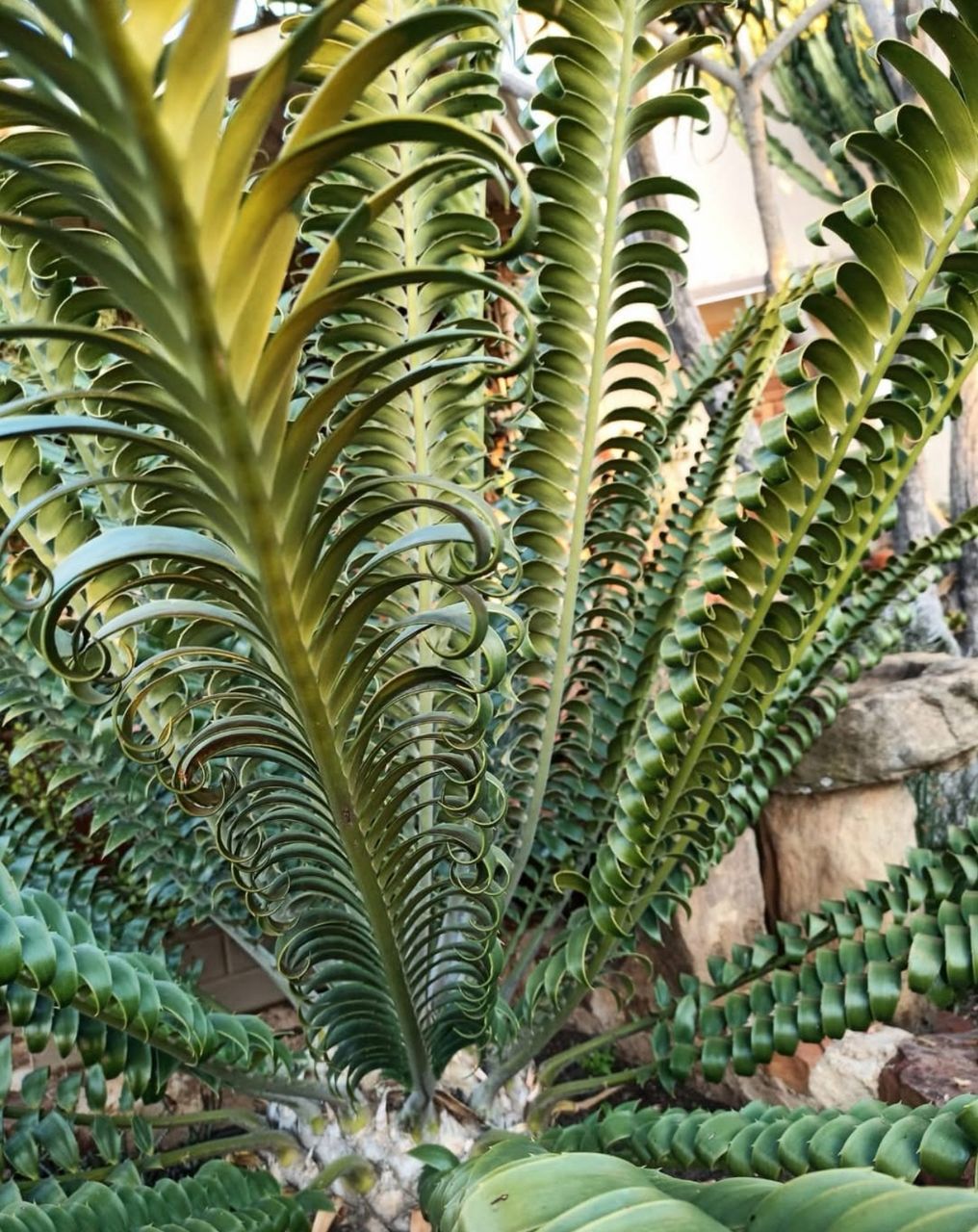
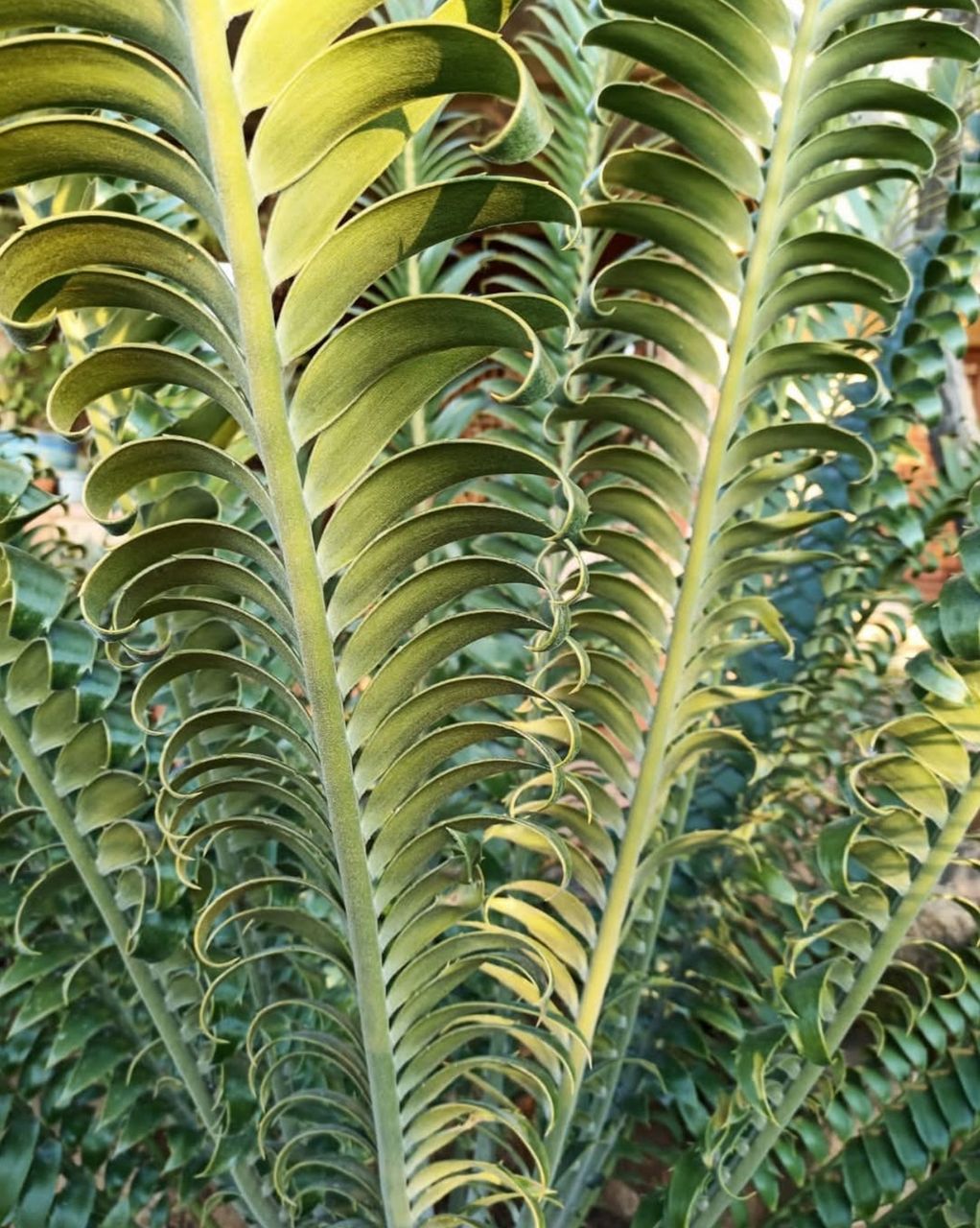
Encephalartos natalensis, belonging to the Zamiaceae family, is a large tree-like cycad endemic to the northern Eastern Cape and KwaZulu-Natal provinces of South Africa. Growing up to 6.5 meters (around 20 feet) tall, it can have a single erect trunk or a branched base, crowned by a rosette of substantial evergreen leaves.
Key Features:
-
Leaves: Medium to large pinnate leaves measuring 1.5 to 3 meters long, with dark green leaflets that are sometimes toothed or spiny near the base.
-
Trunk: Rough-textured, up to 40 cm in diameter, occasionally branched.
-
Cones: Dioecious species with male cones being cylindrical, velvety yellow-green, and female cones larger, oblong, and yellowish-green with small knobbed scales.
-
Seeds: Bright red, about 3–5 cm in length, encased in a fleshy outer layer.
-
Growth: Considered a fast-growing cycad relative to others, and frost-hardy to some extent.
-
Habitat: Naturally found on rocky, south-facing slopes and forest escarpments at 500–1200 m altitude.
Encephalartos natalensis is both a resilient and majestic species, sometimes called a “living fossil” due to its ancient botanical lineage dating back to the Triassic Era.
Why Grow Encephalartos natalensis?
-
Fast-growing and Hardy: Compared to other cycads, it establishes quickly and tolerates a range of climatic conditions, including moderate frost.
-
Striking Ornamental Appeal: Its large pinnate foliage, architectural trunk, and conspicuous orange-red cones produce a dramatic focal point in any garden or landscape.
-
Conservation Significance: Cultivating this species reduces pressure on wild populations vulnerable to habitat loss and overharvesting.
-
Low Maintenance: Once established, it requires minimal care, making it suitable for both novice and expert gardeners.
-
Multi-Purpose: Suitable for gardens, parks, large containers, and botanical collections.
This combination of beauty, resilience, and ecological importance makes it a preferred choice for those wanting a long-lasting statement plant with ancient roots.
How to Buy Encephalartos natalensis
Seed Purchase
-
Buy fresh seeds from reliable sources specializing in cycads to ensure viability.
-
Seeds are bright red with fleshy sarcotesta that must be removed before sowing.
-
Bulk seed purchasing may offer better value for growers planning multiple plants.
Seedlings and Mature Plants
-
Obtain healthy, pest-free seedlings or established plants from trusted nurseries or online retailers.
-
Check for the plant’s gender if fruit or seed production is desired (male and female plants are needed for pollination).
-
Verify compliance with local and international regulations governing the trade of endangered or protected species.
Reputable sellers provide detailed plant care instructions and ensure the plants or seeds are legal and sustainably sourced.
Cultivation and Growing Conditions
Light Requirements
-
Best growth occurs in full sun to partial shade.
-
In hotter climates, some light afternoon shade may protect leaves from burning.
-
Young plants especially benefit from filtered sunlight during early stages.
Soil Preferences
-
Prefers well-draining, rich soils.
-
Loamy or sandy soils amended with organic compost are ideal.
-
Avoid heavy, water-retentive soils that cause root rot.
Watering
-
Moderate watering regime with soil moisture allowed to dry slightly between watering.
-
Established plants tolerate drought better but perform best with consistent moisture.
-
Overwatering risks fungal diseases and root rot; drainage is critical.
Temperature Tolerance
-
Thrives in subtropical to warm temperate climates.
-
Tolerates light frost but benefits from protection during severe cold spells.
-
Optimal temperatures range between 15°C and 30°C (59°F to 86°F).
Humidity and Ventilation
-
Adapts well to moderate humidity.
-
Good airflow around plants helps prevent fungal infections.
Planting and Propagation
Planting Instructions
-
Choose a site with plentiful sunlight and good soil drainage.
-
Dig a hole wider than the root ball and mix native soil with compost.
-
Plant with crown slightly above soil level.
-
Water thoroughly post-planting and mulch to retain moisture.
Seed Propagation
-
Clean seeds of pulp and soak to help soften the coat.
-
Sow in sandy, well-drained, warm soil at about twice the seed’s depth.
-
Maintain temperatures of 21-27°C (70-81°F) and keep moist.
-
Germination may take 6 months to a year or longer, requiring patience.
Offset Propagation
-
Older plants may produce basal suckers that can be removed and potted.
-
Ensure offsets have roots and keep moist during establishment.
Care and Maintenance Tips
Fertilizing
-
Apply a balanced slow-release fertilizer during the growing season.
-
Use fertilizers with adequate nitrogen, phosphorus, and potassium.
-
Avoid over-fertilizing, which may burn roots or cause excessive growth.
Pruning
-
Remove dead or damaged leaves to prevent pest and disease issues.
-
Minimal pruning otherwise; plant is best left to develop its natural shape.
Pests and Diseases
-
Watch for scale insects, mealybugs, and aphids.
-
Root rot and fungal infections can occur if soil is too moist.
-
Treat infestations early with horticultural oils or organic insecticides.
Repotting Tips
-
Young plants grown in containers should be repotted every 2-3 years.
-
Use fresh soil and a slightly larger pot to encourage root growth.
-
Avoid damaging roots during the process.
Environmental and Conservation Aspects
Although relatively widespread within its indigenous range, Encephalartos natalensis populations have been declining due to habitat destruction and illegal collection for traditional medicine and ornamental trade.
Conservation measures include:
-
Encouraging cultivation to reduce wild collection.
-
Supporting protected natural reserves.
-
Participating in seed banking and cycad conservation projects.
Growing this species in home and botanical gardens contributes to preserving biodiversity and promoting awareness about ancient plant species.
Landscaping and Design Uses
Encephalartos natalensis’s bold and majestic form suits a variety of garden styles:
-
Large formal gardens as specimen accents.
-
Tropical and subtropical landscapes.
-
Xeriscapes thanks to drought tolerance.
-
Container or patio gardening for urban spaces.
-
Botanical garden collections emphasizing prehistoric plants.
Its broad, arching pinnate leaves and robust trunk create striking contrasts with flowering shrubs, palms, and succulents.Encephalartos natalensis
Common Problems and Solutions
| Problem | Cause | Solution |
|---|---|---|
| Yellowing Leaves | Overwatering or nutrient deficiency | Adjust watering, fertilize properly |
| Leaf Browning | Sunburn or drought | Provide shade or water adequately |
| Root Rot | Poor drainage or overwatering | Improve soil drainage, reduce watering |
| Pest Infestation | Scale, mealybugs, aphids | Treat with insecticidal soaps or oils |
| Slow Growth | Insufficient light or nutrients | Increase light, fertilize |
Consistent monitoring and preventive care minimize these challenges for healthy growth.Encephalartos natalensis
Summary
The Encephalartos natalensis, the Natal cycad or giant cycad, symbolizes ancient beauty and resilience. Its impressive size, rapid growth, and adaptability make it a preferred choice for gardeners seeking a stately, low-maintenance evergreen. Whether planted in gardens, parks, or containers, it offers dramatic foliage and bold cones that captivate plant lovers worldwide.
Sourcing from ethical nurseries and providing optimal growing conditions ensure this magnificent cycad thrives for generations to come, preserving an essential piece of earth’s botanical heritage.Encephalartos natalensis
Reviews
There are no reviews yet.