

Encephalartos Hirsutus Seeds: The Ultimate Guide to Growing the Hairy Cycad
Encephalartos hirsutus seeds represent a rare opportunity for botany enthusiasts to cultivate one of South Africa’s most striking and endangered cycads, known as the Venda or hairy cycad. This critically endangered species features woolly, blue-green leaves and vibrant orange-red seeds that demand precise handling for successful germination and growth. With proper care, these seeds can yield majestic plants prized for their prehistoric appeal and conservation value.
What is Encephalartos Hirsutus?
Encephalartos hirsutus thrives in the misty mountains of Limpopo Province, South Africa, where it clings to rocky outcrops at elevations around 1,000 meters. The plant develops a decumbent trunk reaching up to 4.2 meters long and 40 cm thick, supporting a rosette of rigid, pinnate leaves measuring 1.1-1.4 meters. These leaves boast 80-150 pairs of sickle-shaped leaflets densely covered in white wool, especially on young growth, giving the species its “hairy” moniker. Female cones produce the coveted Encephalartos hirsutus seeds, which mature in late summer.
This cycad’s blue-tinted foliage sets it apart as the “king of blue-leaf cycads,” with leaflets overlapping like armored scales for a dramatic, sculptural effect. In habitat, it endures seasonal droughts and fires, showcasing remarkable resilience despite its vulnerable status. Cultivated specimens mirror this rugged beauty, making Encephalartos hirsutus seeds a top choice for collectors seeking rare, low-maintenance palms.
Encephalartos Hirsutus Seeds: Characteristics and Identification
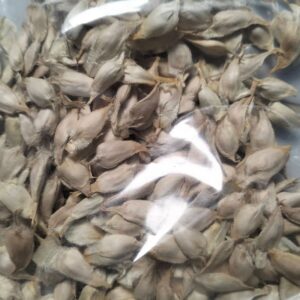
Encephalartos hirsutus seeds emerge from ovoid female cones, presenting as fleshy, orange-red orbs 30-35 mm long and 15-18 mm wide. The sarcotesta, or outer fleshy layer, attracts dispersers like birds, rodents, and bats, who consume it and discard the hard inner seed. Fresh seeds boast high viability, but storage rapidly diminishes germination rates due to their recalcitrant nature—they cannot be dried or frozen like orthodox seeds.
Mature seeds feature a scarred hilum and a tough sclerotesta protecting the embryo, requiring scarification for sprouting. Their vivid color and size distinguish them from similar cycad seeds, such as those of Encephalartos lehmannii, which are smaller and less woolly-associated. Ethical sourcing from licensed nurseries ensures authenticity and supports conservation, as wild collection is prohibited.
Conservation Status of Encephalartos Hirsutus
Encephalartos hirsutus holds Critically Endangered status, extinct in the wild since the 1980s due to habitat destruction, illegal poaching, and overcollection. Once confined to a few Limpopo localities, no wild populations remain, shifting survival to ex-situ cultivation. Listed under CITES Appendix I, international trade demands strict permits, emphasizing the role of Encephalartos hirsutus seeds from propagated stock in restoration efforts.
South African protections via the National Environmental Management Act ban unlicensed handling, with nurseries like NPC Cycads Farm leading propagation. Buying Encephalartos hirsutus seeds aids global conservation, as cultivated plants provide genetic diversity for potential reintroduction. Awareness campaigns, including South African postage stamps featuring cycads, highlight their mythical, ancient lineage dating back 300 million years.
Sourcing Encephalartos Hirsutus Seeds Legally
Acquire Encephalartos hirsutus seeds from reputable suppliers like Caudex Farm or Guildford Cycads, which offer permit-verified stock. Prices range from $50-200 per seed lot, reflecting rarity and demand among collectors. Verify CITES documentation and nursery accreditation to avoid black-market fakes, which often fail to germinate.
Online platforms and cycad societies provide updates on availability, with seasonal releases from cone crops. Join forums like the Cycad Society for tips on bulk purchases and propagation swaps. Prioritize farms emphasizing ethical propagation to contribute to species recovery.
Step-by-Step Guide to Germinating Encephalartos Hirsutus Seeds
Preparing Encephalartos Hirsutus Seeds for Sowing
Start with fresh seeds, ideally within weeks of cone dispersal. Remove the sarcotesta by soaking in water for 24-48 hours, then scrubbing gently or using a citrus peeler—avoid damaging the sclerotesta. Treat with a 10% bleach solution or fungicide like Captan to prevent fungal rot, a primary germination killer. Air-dry briefly before sowing.
Ideal Germination Medium and Conditions
Use a sterile mix of 1:1 perlite and coarse sand or pumice for drainage, filling 10-15 cm pots. Sow seeds horizontally at 1 cm depth, one per pot, and cover lightly. Maintain 25-30°C soil temperature with bottom heat mats, high humidity via plastic domes, and bright indirect light—avoid direct sun to prevent scorching. Water sparingly to keep moist, not soggy.
Germination Timeline and Troubleshooting
Expect radicle emergence in 4-12 weeks, with cotyledons following shortly. Success rates hit 70-90% for fresh, treated seeds. Common issues include damping-off (treat with fungicide) and slow starts (extend warmth). Thin seedlings if multiples sprout, transplanting extras carefully.
Caring for Encephalartos Hirsutus Seedlings
Seedlings demand 80-90% humidity for the first 6-12 months, gradually reducing to ambient levels. Fertilize lightly with diluted cycad formula (high potassium, low nitrogen) every 4-6 weeks during growth. Repot annually into clay pots with gritty soil, ensuring excellent drainage to mimic rocky habitats.
Protect from pests like scale insects using neem oil. By year two, seedlings develop characteristic woolly leaves, reaching 20-30 cm. Harden off outdoors in partial shade for Mediterranean climates.
Long-Term Cultivation of Encephalartos Hirsutus
Mature plants prefer full sun once established, with deep, infrequent watering to encourage tuberous roots. Tolerate frost to -5°C but shield young plants. In containers, use cactus mix amended with limestone for pH 6.5-7.5. Coning occurs after 10-20 years, with females yielding 1-3 cones annually.
Encephalartos Hirsutus in Gardens and Collections
This cycad excels as a focal point in xeriscapes, rock gardens, or conservatories, pairing with agaves and aloes for a South African theme. Its slow growth (5-10 cm/year) suits patient gardeners, rewarding with evergreen structure and seasonal cones. Collectors value its blue hue and woolly texture, often hybridizing cautiously.
Propagation Alternatives to Seeds
Aside from Encephalartos hirsutus seeds, propagate via offsets from mature trunks or root cuttings, though success is lower (30-50%). Tissue culture offers promise for mass production but remains experimental.
Common Challenges and Solutions
Rot plagues wet conditions—ensure airflow and fungicides. Nutrient burn from overfeeding demands flushing. Pests like mealybugs require alcohol wipes. Monitor for offsets signaling maturity.
Why Grow Encephalartos Hirsutus Seeds?
Cultivating Encephalartos hirsutus seeds connects enthusiasts to prehistoric flora while supporting conservation. Its rarity elevates garden prestige, blending beauty with resilience. Start today with ethical sources for a legacy plant

Reviews
There are no reviews yet.