
Encephalartos transvenosus: The Majestic Modjadji Cycad – Complete Guide
Encephalartos transvenosus, also known as the Modjadji Cycad or Modjadji Palm, stands as one of the largest and most spectacular cycad species native to South Africa. Renowned for its towering height, glossy dark-green foliage, and immense cultural significance, this cycad is a botanical marvel that captivates gardeners, landscapers, and plant collectors alike.
This guide delves into everything you need to know about Encephalartos transvenosus, from its physical characteristics and habitat to cultivation, care, conservation, and its valued place in gardens and landscapes.
What Is Encephalartos transvenosus?
-
Height: Can grow up to 10-13 meters tall, with some exceptional specimens reaching beyond 15 meters.
-
Trunk: Thick, robust, often measuring 40-45 cm in diameter, covered with persistent leaf bases giving it a textured, rugged appearance.
-
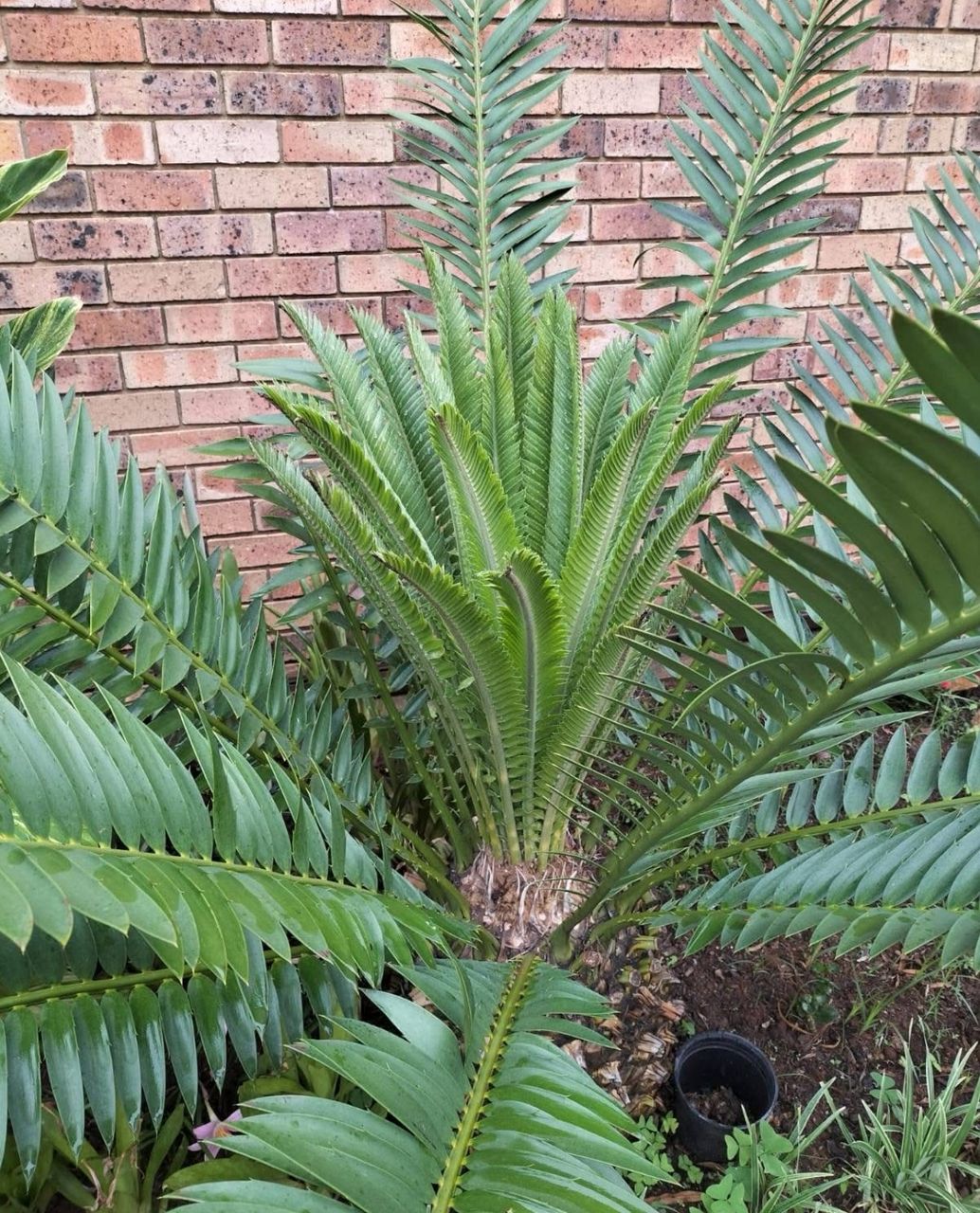
Leaves: Dark green, glossy, pinnate, arching leaves that measure between 1.5 to 3 meters long, composed of numerous stiff leaflets with slightly prickly tips.
-
Cones: Dioecious species – individual plants are male or female. Male plants produce slender pollen cones, and female plants develop large, barrel-shaped cones that are brilliant yellow to orange, capable of weighing up to 40 kilograms and containing hundreds of seeds.
-
Seeds: Bright orange-red, fleshy, and nutrient-rich, playing an essential role in local ecosystems.
Its towering form and striking foliage have earned it recognition as arguably the largest of South African cycads. The species is deeply connected to local culture and natural heritage.
Natural Habitat and Distribution
Encephalartos transvenosus is endemic to a specialized region in Limpopo Province, particularly around the Drakensberg Mountains near Modjadjiskloof (formerly Duiwelskloof). Its unique habitat characteristics include:
-
Terrain: Prefers steep, rocky slopes and quartzite cliffs with well-draining soils derived from sandstone and quartzite.
-
Climate: Subtropical region with warm, wet summers and mild, dry winters.
-
Elevation: Found on hills and mountains mainly at mid to high altitudes, benefiting from the region’s specific microclimates.
-
Vegetation: Forms large pure colonies, the largest known cycad forest globally, creating a unique and protected ecosystem.
The specialized conditions of its habitat contribute to the cycad’s longevity and resilience, but also limit its distribution, making its conservation critical.
Cultural Significance
Locally revered as the “Modjadji cycad,” this species is closely associated with the Rain Queen Modjadji, a figure of folklore and cultural importance among the Balobedu people. The cycad forests play a symbolic and spiritual role in local traditions, underscoring the connection between nature and cultural heritage.
The long-standing protection by local communities has helped preserve these magnificent cycad populations, showcasing a remarkable example of indigenous conservation.
Conservation Status
Classified as Vulnerable by the International Union for Conservation of Nature (IUCN), Encephalartos transvenosus faces threats such as:
-
Illegal Harvesting: High demand in the horticultural trade puts pressure on wild populations.
-
Habitat Loss: Agricultural expansion, mining, and land development fragment and degrade its specialized habitat.
-
Climate Change: Changes in rainfall and temperature patterns affect growth and reproduction.
Protection within the Modjadji Cycad Reserve is vital for survival, along with stronger enforcement against poaching and habitat destruction. Ex-situ cultivation and public awareness are crucial tools for conserving this natural treasure.
How to Buy Encephalartos transvenosus
Purchasing Encephalartos transvenosus should be done through reputable, licensed nurseries and specialist cycad growers to ensure sustainability and legality. Key considerations when buying include:
-
Verifying source authenticity to avoid illegal wild-harvested plants.
-
Choosing healthy seedlings or juveniles suitable for transplanting.
-
Understanding growth requirements and commitment needed for these large cycads.
-
Acquiring proper documentation or certification when necessary.
Responsible purchase supports conservation and prevents contributing to the black market trade.
Cultivation and Growing Conditions
Light and Temperature
-
Sun Exposure: Grows best in full sun to partial shade; young plants may benefit from some protection from intense afternoon sun.
-
Temperature: Prefers warm subtropical climates but tolerates mild frost occasionally.
Soil Type
-
Thrives in well-draining sandy or loamy soils.
-
Soil enriched with organic matter promotes healthy root development.
Watering
-
Moderate watering with allowance for soil to dry out between watering.
-
Avoid waterlogging to prevent root diseases.
Fertilization
-
Use a balanced, slow-release fertilizer during the growing season.
-
Supplement with organic matter like compost.
Pruning and Maintenance
-
Remove dead or damaged leaves to enhance appearance and prevent pests.
-
Minimal pruning otherwise needed.
Propagation
From Seeds
-
Female cones produce abundant seeds once pollinated.
-
Seeds require cleaning of fleshy outer sarcotesta before sowing.
-
Germination is slow and may take several months.
-
Requires warm temperatures (21-27°C) and moist, well-drained soil.
Vegetative Propagation
-
Offsets or suckers are occasionally produced and can be transplanted.
-
Offers a faster propagation method but less common with this species.
Pest and Disease Management
-
Monitor regularly for scale insects and mealybugs.
-
Manage fungal infections proactively by ensuring good drainage and avoiding overwatering.
-
Use appropriate horticultural oils or insecticides when necessary.
Landscape and Garden Uses
-
Due to its imposing size and beauty, Encephalartos transvenosus serves as a spectacular specimen tree or focal point in large gardens, parks, and botanical collections.
-
Well-suited for warm climates and large-scale xeriscapes.
-
Its architectural foliage pairs beautifully with palms, succulents, and tropical shrubs.
-
Creates a dramatic prehistoric ambiance, appealing to enthusiasts looking for unique conversation plants.
Summary
Encephalartos transvenosus is a botanical giant and cultural emblem of South African flora. Its striking appearance, historic longevity, and cultural narratives establish it as one of the most coveted cycads worldwide. Though vulnerable in the wild, ongoing conservation and cultivation efforts offer hope for this majestic cycad’s future.
With proper care, planting, and respect for its ecological importance, Encephalartos transvenosus will continue to inspire awe for generations in both natural and cultivated landscapes.

Reviews
There are no reviews yet.