
Encephalartos villosus: The Complete Guide to Growing the Poor Man’s Cycad
Encephalartos villosus, commonly known as the “Poor Man’s Cycad,” is one of the most widely cultivated cycads in southern Africa. Celebrated for its hardy nature, glossy foliage, and adaptability, this species offers an ideal choice for beginner and experienced gardeners alike. With its lush green pinnate leaves and resilient growth habit, Encephalartos villosus effortlessly enhances landscapes, container gardens, and conservatories.
This comprehensive guide explores all aspects of Encephalartos villosus, including its characteristics, cultivation, care, propagation, landscape uses, and common problems.
What Is Encephalartos villosus?
Encephalartos villosus is a member of the Zamiaceae family and a species native to South Africa and Mozambique. It thrives mostly in subtropical coastal forests and rocky outcrops, where it enjoys moderate shade and relatively high humidity. Beloved for its ease of cultivation, it earned the common name “Poor Man’s Cycad” due to its affordability and accessibility compared to rarer cycads.
Physical Characteristics:
-
Growth Form: A subterranean stem with large clusters of dark, glossy green, pinnate leaves that can reach up to 2 meters in length.
-
Leaves: Graceful, arching, and smooth, with leaflets that are broad and lightly toothed.
-
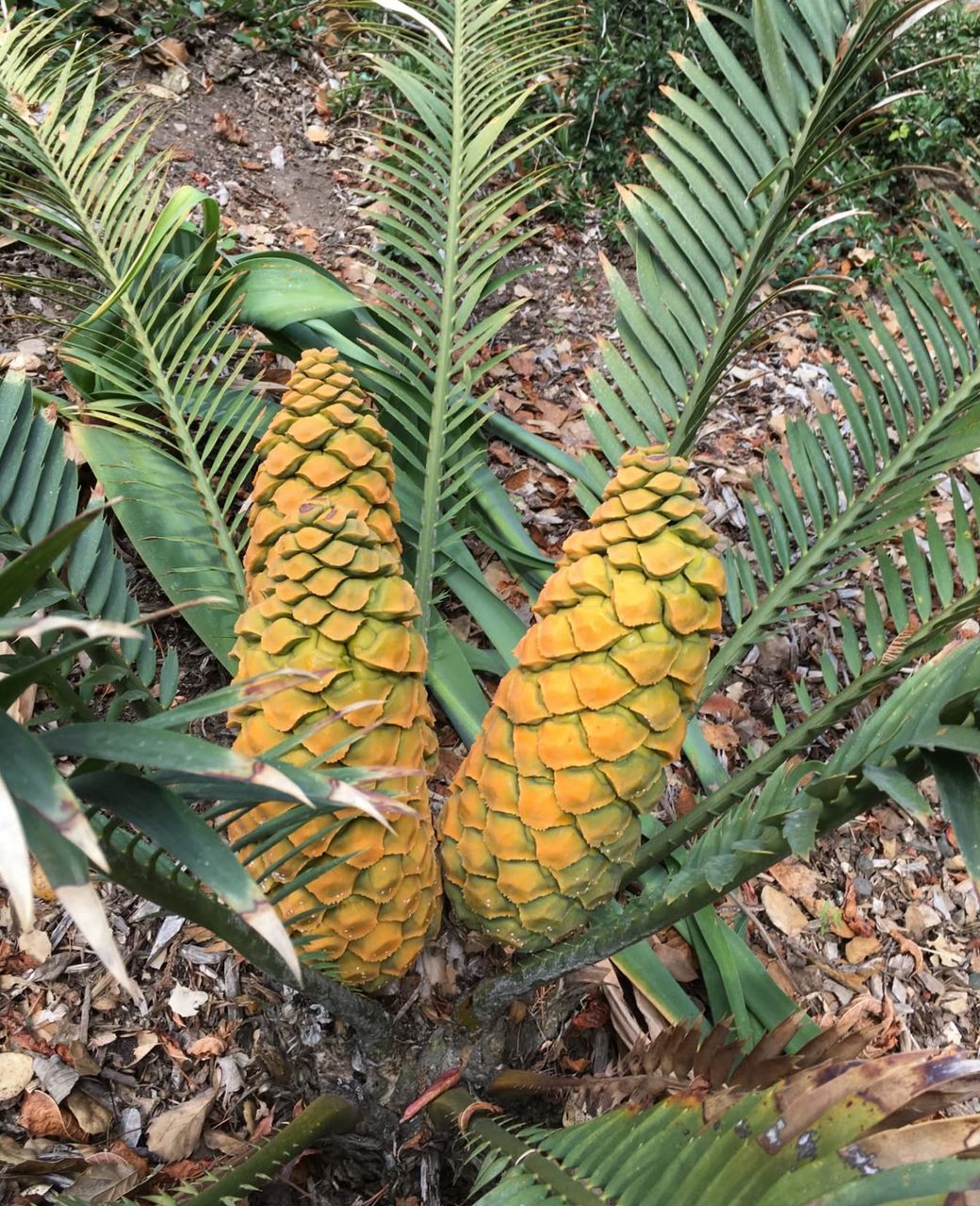
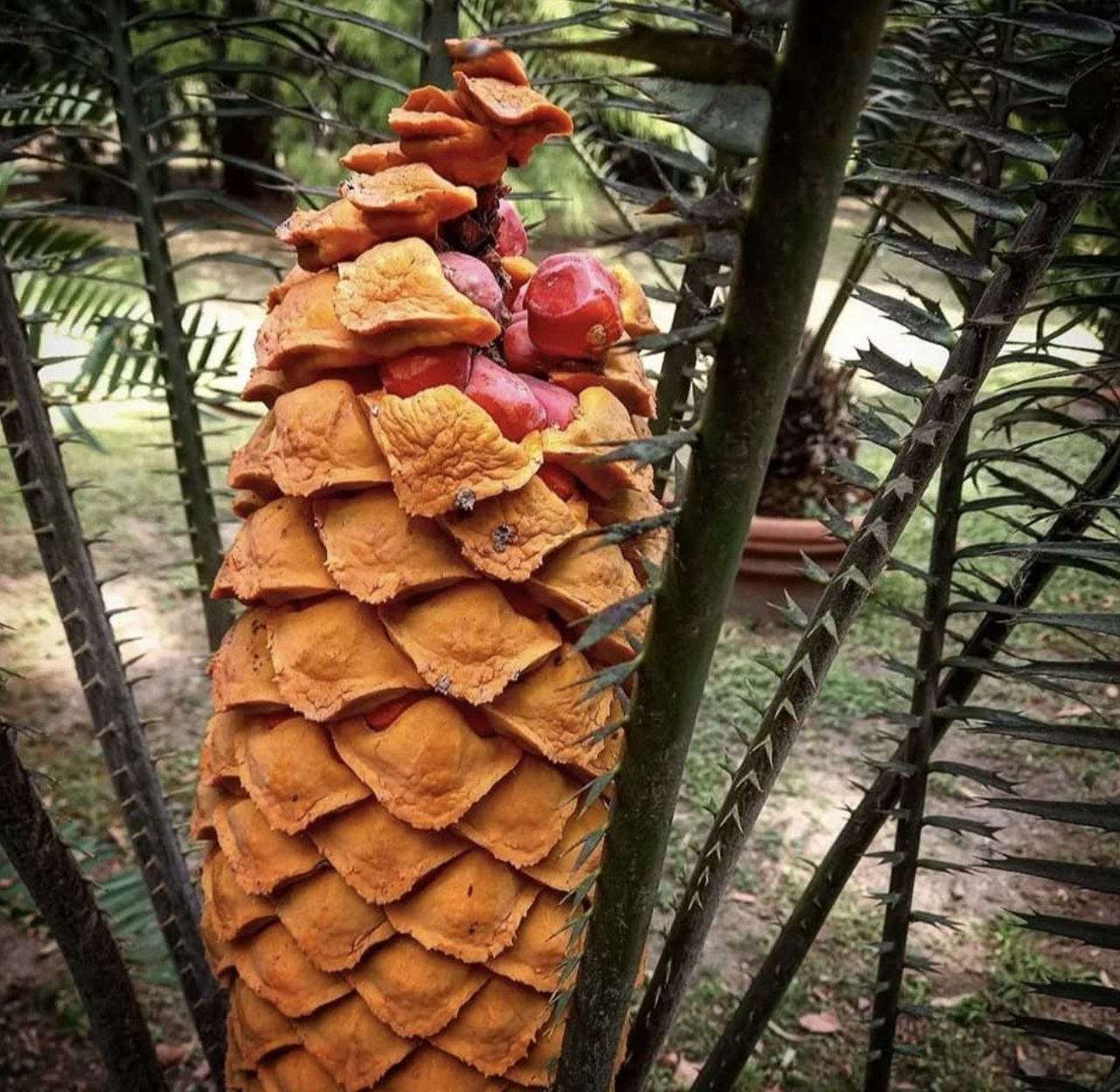
Cones: Dioecious species with male cones lemon-yellow, slender, and female cones glossy yellow and robust.
-
Size: Can spread up to 6 meters, especially in open cultivation.
-
Lifespan: Long-lived perennial with slow to moderate growth.
-
Adaptability: Tolerates light frost but is best suited to frost-free or mildly temperate climates.
Why Choose Encephalartos villosus for Your Garden?
-
Hardiness and Adaptability: Thrives in partial shade to full sun and tolerates variable water conditions.
-
Low Maintenance: Considered low maintenance; does not require frequent pruning or complex care routines.
-
Landscaping Appeal: A robust and aesthetically pleasing plant for tree-like accents in gardens and large pots.
-
Conservation-Friendly: Being common and affordable reduces the pressure on rarer cycads.
-
Cultural and Historical Interest: Ancient lineage dating back millions of years gives it special botanical significance.
How to Grow Encephalartos villosus
Ideal Growing Conditions
-
Light: Performs best in light shade or partial sun. While it can tolerate full sun, especially in coastal areas, young plants prefer some protection from intense afternoon sun.
-
Soil: Requires well-draining soil rich in organic matter. Sandy or loamy soils mixed with compost and bone meal promote healthy growth.
-
Water: Needs moderate, consistent watering during active growth but is susceptible to root rot if overwatered. Let the soil dry out slightly between watering.
-
Temperature: Prefers subtropical climates with mild winters. Can withstand light frosts but prolonged freezing temperatures should be avoided.
-
Humidity: Benefits from moderate humidity but can adapt to drier conditions with proper watering.
Planting Instructions
-
Choose a planting site with partial sun or filtered light.
-
Dig a hole roughly 0.5 meters square and deep.
-
Prepare soil mixture with mature compost and organic fertilizer like bone meal.
-
Position the plant so the growing point or crown is slightly above soil level.
-
Water thoroughly after planting and mulch to retain moisture.
Container Growth
Encephalartos villosus is well suited for container growing, particularly young plants or in cooler climates where overwintering indoors or in greenhouses is needed. Use a large pot with good drainage and a rich, coarse soil mixture.
Propagation of Encephalartos villosus
From Seeds
-
Seeds are produced on mature female plants and are typically lemon-yellow to orange when ripe.
-
Clean seeds to remove fleshy pulp.
-
Sow seeds in sandy, well-draining soil.
-
Maintain temperatures between 21–27°C (70–80°F).
-
Germination takes 6 to 12 months or longer; patience is necessary for successful seed propagation.
From Offsets
-
Mature plants occasionally produce basal suckers.
-
Carefully separate offsets with roots for propagation.
-
Pot offsets with well-draining soil and keep moist but not wet.
-
Protect young plants until established.
Care and Maintenance Tips
Watering
-
Water regularly during warm months but avoid waterlogging.
-
Reduce watering in winter to mimic dry, dormant season conditions.
Fertilization
-
Use a slow-release, balanced fertilizer (NPK ratio around 18-6-18).
-
Fertilize every 3 to 4 months during active growth.
-
Avoid excessive fertilization that can damage roots or foliage.
Pruning
-
Remove dead or yellowing leaves in early spring to improve air circulation and plant appearance.
-
Use clean, sharp tools to prevent infections.
Pest and Disease Management
-
Monitor for scale insects and treat with oil-based insecticides if needed.
-
Watch for fungal infections, particularly root rot caused by overwatering.
-
Ensure good drainage and avoid overhead watering often.
Repotting
-
Repot young plants every 2–3 years to refresh soil and encourage healthy root growth.
-
Choose a slightly larger pot with excellent drainage.
-
Best time to repot is early spring before new growth.
Common Problems and Solutions
| Problem | Cause | Solution |
|---|---|---|
| Leaf Yellowing | Overwatering or nutrient deficiency | Adjust watering, apply balanced fertilizer |
| Leaf Burn | Excessive direct sun exposure | Provide shade during hottest part of the day |
| Root Rot | Poor drainage or constant wet soil | Improve drainage, reduce watering |
| Scale Insects | Infestation by pests | Apply horticultural oil or insecticidal soap |
| Slow Growth | Insufficient nutrients or light | Fertilize, increase light exposure |
Landscaping with Encephalartos villosus
Encephalartos villosus is an excellent feature plant with architectural leaves and a statuesque form, ideal for:
-
Tropical and subtropical garden landscapes.
-
Large pots and container displays.
-
Public gardens and conservatories.
-
Xeriscape gardens when given sufficient shade.
-
Pairing with succulents, palms, and ferns for diverse textural contrast.
Its moderate maintenance needs make it suitable for both amateur and expert gardeners looking to add ancient plant elegance.
Environmental and Conservation Notes
Although categorized as common in its native range, responsible propagation and cultivation of Encephalartos villosus is essential to safeguard wild populations from overcollection. Growing popular species like E. villosus helps reduce poaching pressures on endangered cycads.
Supporting native plant nurseries and conservation programs can also preserve biodiversity while enjoying this striking species.
Summary
Encephalartos villosus is a captivating cycad with notable resilience, stunning foliage, and straightforward cultural requirements. Its beauty and durability make it a fantastic addition to gardens, patios, and collections, especially for those seeking an easy-to-grow prehistoric plant.

Reviews
There are no reviews yet.